
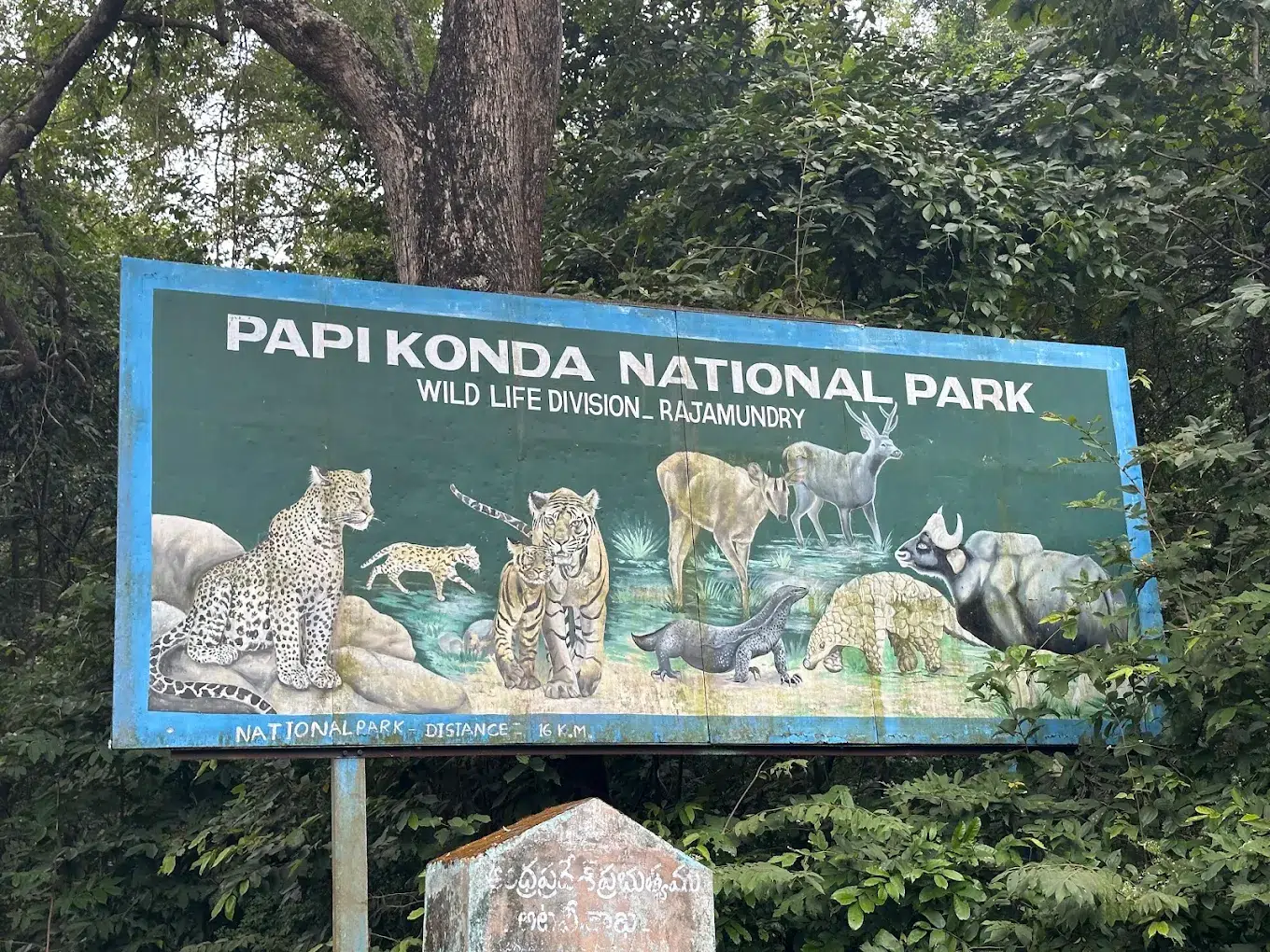
Tucked away in the scenic Papi Hills of the Eastern Ghats, Papikonda National Park is a pristine sanctuary in Andhra Pradesh india.

Table of Contents
Nestled in the lush Papi Hills of the Eastern Ghats, Papikonda National Park is a vibrant wildlife haven in Andhra Pradesh, India. Established in 2008, this sanctuary in Alluri Sitharama Raju and Eluru districts protects rare species like the Bengal tiger, Gangetic dolphin, and four-horned antelope. Learn about its history, explore thrilling wildlife safaris, and discover the conservation efforts that make this Eastern Ghats ecosystem a global treasure. From bird watching to eco-tourism with the Konda Reddi tribe.
Quick Facts
- Papikonda National Park was established in 2008 in Alluri Sitharama Raju and Eluru districts, Andhra Pradesh, spanning 1,012.86 km².
- It protects Bengal tigers, leopards, and the endangered Gangetic dolphin in the Godavari River.
- The park is renowned for its biodiversity, hosting over 200 bird species, making it an Important Bird and Biodiversity Area (IBA).
- Located near Rajamahendravaram, it’s a key part of the Eastern Ghats ecosystem.
- Conservation efforts focus on protecting rare species like the four-horned antelope and restoring forest habitats.
- Wildlife safari Papikonda offers jeep safaris and boat rides to spot tigers and aquatic species.
- Over 200 bird species make bird watching Papikonda a paradise, especially during winter.
- Eco-tourism promotes sustainable travel with Konda Reddi homestays and cultural programs.
- The best time to visit Papikonda is November to February, with safari timings from morning to afternoon.
- Nearby attractions include Maredumilli Eco-Tourism Project and Bhadrachalam Temple for cultural exploration.
History of Papikonda National Park

The history of Papikonda National Park began as a wildlife sanctuary before its designation as a national park in 2008. Located in the Papi Hills near Rajamahendravaram, the park was established to protect the Eastern Ghats’ unique biodiversity. Collaborative efforts by the Andhra Pradesh Forest Department and conservationists have made Papikonda a vital sanctuary for endangered species like the Bengal tiger and Gangetic dolphin. Its recognition as an Important Bird and Biodiversity Area underscores its role in preserving India’s ecological heritage.
Konda Reddi Culture and Local Traditions
The Konda Reddi culture in Papikonda adds a vibrant cultural dimension to the park’s appeal. The Konda Reddi, an indigenous tribe of the Eastern Ghats, are known for their sustainable practices, such as using Indian laurel trees for water storage, and their traditional dances. Visitors can engage with Konda Reddi villages near the park, learning about their agricultural techniques and bamboo craftsmanship. This cultural immersion, part of eco-tourism Papikonda National Park, offers an educational glimpse into the harmonious coexistence of humans and nature in Andhra Pradesh.
Festivals and Celebrations
Festivals around Papikonda National Park reflect the rich Konda Reddi culture and regional traditions. The tribe celebrates festivals like Sankranti and Ugadi with traditional dances and feasts, often inviting tourists to participate. Nearby Rajamahendravaram hosts vibrant events like the Godavari Pushkaralu, a major river festival every 12 years, drawing cultural explorers. These celebrations, especially during November to February, provide educational opportunities to experience Andhra Pradesh’s heritage alongside Papikonda’s wildlife.
Ecological Importance of Papikonda

Papikonda National Park is a critical part of the Eastern Ghats ecosystem, encompassing moist deciduous forests, evergreen patches, and the Godavari River. It supports over 200 bird species, including the great Indian hornbill and migratory waterfowl, making bird watching Papikonda a global draw. The park’s conservation efforts protect endangered species like the Gangetic dolphin and four-horned antelope, while its wetlands and forests sustain diverse flora like teak and bamboo. Papikonda’s biodiversity makes it a cornerstone of India’s ecological balance.
Financial Perspective and Economic Impact
From a financial perspective, Papikonda National Park drives economic activity in Andhra Pradesh. Revenue from Papikonda National Park safari booking, including jeep safaris and boat rides, supports conservation and local employment. Eco-lodges and homestays near Rajamahendravaram generate income for communities, while Konda Reddi crafts boost local economies. Tourism revenue, especially during November to February, funds infrastructure and wildlife protection, making Papikonda a sustainable economic model for the region.
Role in Indian Tourism
Papikonda National Park is a rising star in Indian tourism, attracting wildlife enthusiasts, eco-tourists, and cultural explorers to Andhra Pradesh. Its wildlife safari Papikonda offerings, including Bengal tiger sightings and Godavari boat rides, rival other national parks like Nagarjunasagar-Srisailam. The park’s proximity to Maredumilli and Bhadrachalam enhances its appeal as part of a broader Eastern Ghats circuit. Easy access via how to reach Papikonda National Park routes from Rajamahendravaram (50 km) makes it a key destination for travelers.
Conservation Policies and Initiatives
The conservation policies of Papikonda National Park are a benchmark for wildlife protection. Focused on preserving Bengal tigers, Gangetic dolphins, and four-horned antelopes , the park enforces strict anti-poaching measures and habitat restoration. Programs with the Konda Reddi tribe promote sustainable practices, while eco-tourism initiatives educate visitors through guided tours. These efforts, supported by the Andhra Pradesh Forest Department, ensure Papikonda remains a thriving sanctuary for endangered species and biodiversity.
Unique Attractions and Nearby Sites

Beyond its wildlife, Papikonda offers cultural and natural gems. The Papi Hills provide stunning views, while Godavari boat rides showcase aquatic life. Nearby, the Maredumilli Eco-Tourism Project offers trekking and tribal interactions, and the Bhadrachalam Temple, a spiritual site, draws devotees. These attractions, combined with Konda Reddi cultural experiences, make Papikonda a holistic destination for education and adventure in the Eastern Ghats.
How to Reach Papikonda National Park
How to reach Papikonda National Park is straightforward. By road, it’s 50 km from Rajamahendravaram (1–2 hours via NH16). The nearest railway station is Rajamahendravaram (50 km), with connections from Hyderabad and Chennai. The closest airport is Rajahmundry Airport (60 km), linked to major cities. Local taxis and buses from Rajamahendravaram make this Andhra Pradesh national park accessible.
Best Time to Visit Papikonda
The best time to visit Papikonda is November to February, when the park is open and ideal for wildlife safari Papikonda. Winter offers pleasant weather (15°C–30°C) and prime bird watching Papikonda, with migratory birds like kingfishers. Spring (March–April) showcases vibrant flora and active wildlife. The park may close during the monsoon (June–October) due to flooding, so plan your trip accordingly.
Papikonda National Park Safari Booking
Papikonda National Park safari booking is essential for wildlife adventures. Book jeep safaris or boat rides via authorized operators or the Andhra Pradesh Forest Department website. Safari timings are 6–10 AM and 2–6 PM, varying seasonally. Jeep safaris (₹3,000–₹5,000 for 6 people) cover forest trails, while boat rides (₹1,000–₹2,000 per person) explore the Godavari. Book early for November to February to spot tigers and Gangetic dolphins.
Wildlife Safari Papikonda: What to Expect
A wildlife safari in Papikonda immerses you in the Eastern Ghats ecosystem. Jeep safari Papikonda navigates forests to spot Bengal tigers and leopards. Boat rides on the Godavari offer views of Gangetic dolphins and migratory birds. Guides share insights on conservation, making it educational. Bring binoculars for bird watching and a camera to capture the park’s beauty.
Papikonda National Park Hotels and Accommodations
Papikonda National Park hotels suit all budgets. Forest rest houses (₹1,000–₹2,500 per night) offer immersion, while eco-lodges in Rajamahendravaram (₹4,000–₹8,000) provide comfort. Konda Reddi homestays (₹800–₹2,000) blend eco-tourism with cultural experiences. Book early for November to February via platforms like TripAdvisor or local operators. Many include safari packages and cultural tours.
Nearby Attractions: Maredumilli and Bhadrachalam
Papikonda’s attractions extend beyond the park. The Maredumilli Eco-Tourism Project (70 km) offers trekking and tribal villages, while Bhadrachalam (120 km) features the historic Sri Rama Temple. Godavari boat rides near the park showcase scenic landscapes. Accessible via Rajamahendravaram, these sites complement your wildlife safari Papikonda, blending nature and culture for an enriching trip.
Tips for a Memorable Visit
- Book safaris early to secure spots for November to February.
- Pack light clothing, binoculars, sunscreen, and insect repellent.
- Respect park rules to support eco-tourism Papikonda National Park, avoiding plastic.
- Engage with Konda Reddi culture through village tours.
- Check safari timings and weather updates for a smooth trip.
- Visit conservation centers to learn about Gangetic dolphin and four-horned antelope protection.
Gangetic Dolphin in the Godavari
The Gangetic dolphin Papikonda thrives in the Godavari River, a highlight of boat safaris. This critically endangered species underscores the park’s aquatic conservation efforts. Educational tours explain their role in the Eastern Ghats ecosystem, making it a must for wildlife enthusiasts visiting Andhra Pradesh during November to February.
Great Indian Hornbill and Bird Watching
Bird watching Papikonda is a highlight, with over 200 species, including the great Indian hornbill. The park’s wetlands attract migratory birds like kingfishers, especially in winter. Guided tours provide binoculars and insights into avian conservation, perfect for ornithologists and students exploring the Eastern Ghats during November to February.
Four-horned Antelope: A Rare Gem
The elusive four-horned antelope Papikonda inhabits the park’s forests, a rare find for wildlife researchers. This endangered species, protected within the park, underscores Papikonda’s commitment to biodiversity. Spotting one during a wildlife safari Papikonda is a thrill, offering an educational glimpse into the Eastern Ghats ecosystem’s delicate balance in Andhra Pradesh.
Checkout :
Dudhwa National Park: Nature’s Masterpiece in Uttar Pradesh
Discover Jim Corbett: India’s First Wildlife Sanctuary



Leave a Reply