

Embark on a journey through Jim Corbett National Park indias first wildlife sancturay nestled in the Himalayan foothills. Learn about its geography, biodiversity, history, conservation, and eco-tourism. This blog is perfect for geography enthusiasts and nature lovers, and it will help you discover its geography, biodiversity, history, and conservation efforts.
Table of Contents
Nestled in the lush foothills of the Himalayas, Jim Corbett National Park is India’s oldest and most iconic wildlife sanctuary, established in 1936. Spanning 1,288 square kilometers in Uttarakhand’s Nainital and Pauri Garhwal districts, it’s a haven for the endangered Royal Bengal Tiger, diverse ecosystems, and eco-tourism. Home to 260 tigers (2022 census) and over 600 bird species, the park is a cornerstone of India’s conservation legacy, launched as the first site of Project Tiger in 1973.
Its verdant landscapes, fed by the Ramganga River, attract 70,000 tourists annually, making it a trending destination in 2025 for wildlife enthusiasts and adventurers. In this blog post, we explore the geography of Jim Corbett National Park, delving into its physical features, biodiversity, historical significance, tourism, conservation efforts, and challenges. this guide unveils the wild heart of India’s premier national park.
Quick Fact: Jim Corbett National Park, originally Hailey National Park, was renamed in 1957 to honor Jim Corbett, a hunter-turned-conservationist who helped establish it.
Let’s venture into the wilderness of Jim Corbett and uncover its geographical and ecological wonders.
Physical Geography of Jim Corbett
Jim Corbett National Park’s geography is a tapestry of Himalayan foothills, riverine belts, and diverse ecosystems, shaped by its location and topography.
Location and Topography
Located in Uttarakhand, the park lies between the Lesser Himalayas to the north and the Siwalik Hills to the south, forming the Patli Dun valley. Its coordinates (approximately 29.5°N, 78.9°E) place it near Ramnagar, 260 km from Delhi. The park’s elevation ranges from 360 to 1,040 meters, creating varied terrains:
- Hills and Ridges: Hard sandstone ridges in the Siwaliks support dense forests.
- Valleys and Doons: Longitudinal valleys, or doons, like Patli Dun, foster grasslands and wetlands.
- Ravines and Plateaus: Numerous ravines and small plateaus add microhabitats for wildlife.
The Ramganga River, a lifeline, flows through the park, forming a large reservoir (Ramganga Lake) via the Kalagarh Dam, enhancing biodiversity.
Climate and Seasons
The park’s temperate climate supports its ecosystems:
- Winter (November–February): Cold nights (5–10°C) and sunny days (20–25°C) make it ideal for safaris, with clear wildlife sightings.
- Summer (March–June): Warm (25–40°C), with increased animal activity near water bodies, boosting tiger sightings.
- Monsoon (July–October): Heavy rainfall (1,200 mm annually) closes most zones, except Jhirna and Dhela, due to flooded paths and breeding seasons.
This climate fosters lush vegetation, from sal forests to grasslands, sustaining diverse fauna.
Ecosystems and Vegetation
The park spans 1,288.31 km², with a 822 km² core zone and 466 km² buffer zone, encompassing:
- Sal Forests: Covering 75% of the park, sal trees dominate, providing shade for tigers and deer.
- Grasslands (Chaurs): Open meadows support herbivores like chital and sambar, attracting predators.
- Riverine Belts: The Ramganga’s banks host khair-sissoo forests and wetlands, ideal for birds and crocodiles.
- Bamboo and Shrubs: Bamboo groves and shrubs like karaunda and maror phali add floral diversity, supporting smaller mammals and birds.
Biodiversity: A Wildlife Haven
Jim Corbett is a biodiversity hotspot, hosting a rich array of flora and fauna, making it a global conservation priority.
Mammals
The park is renowned for its Royal Bengal Tiger, with 260 individuals (2022), the highest density in India. Other mammals include:

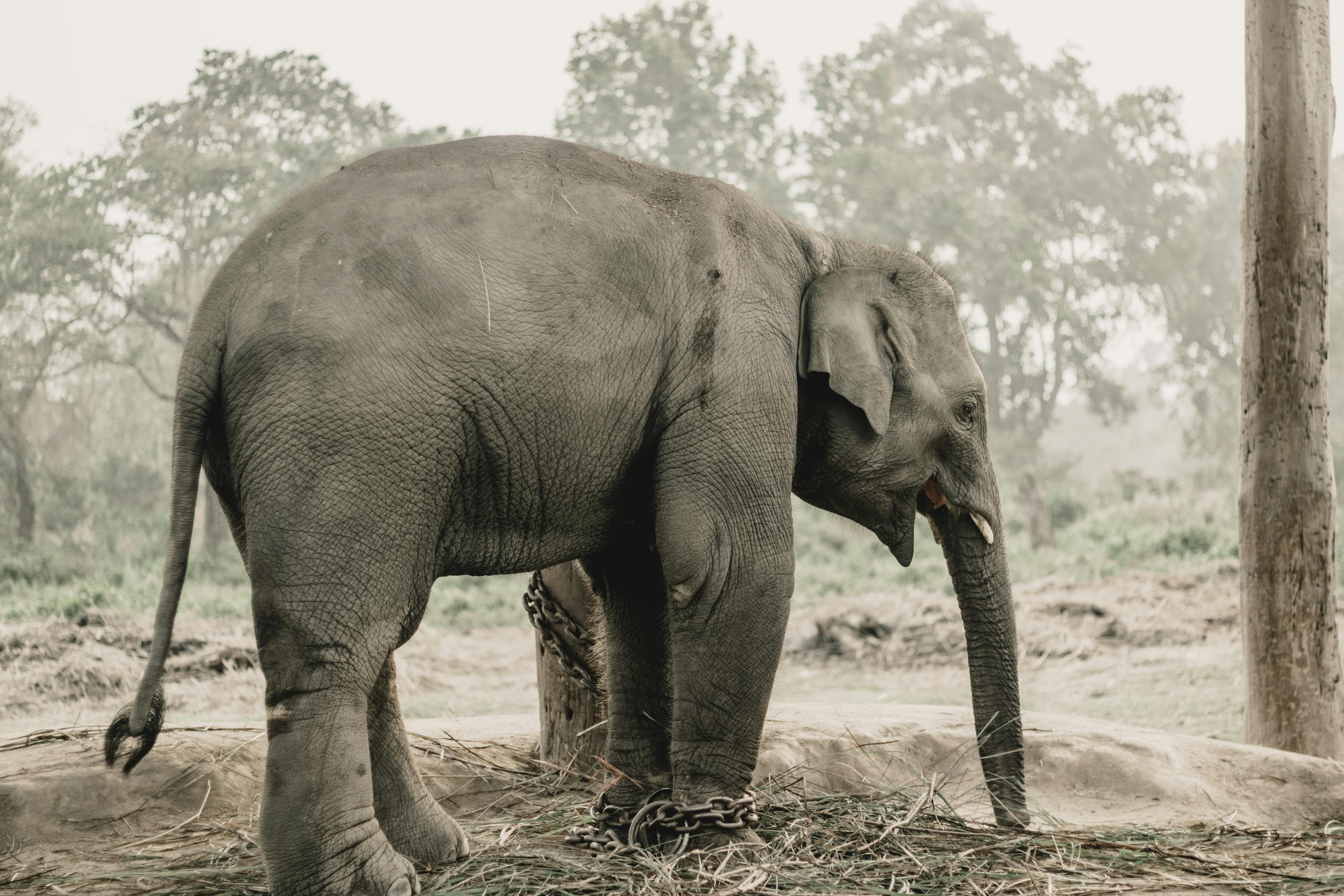
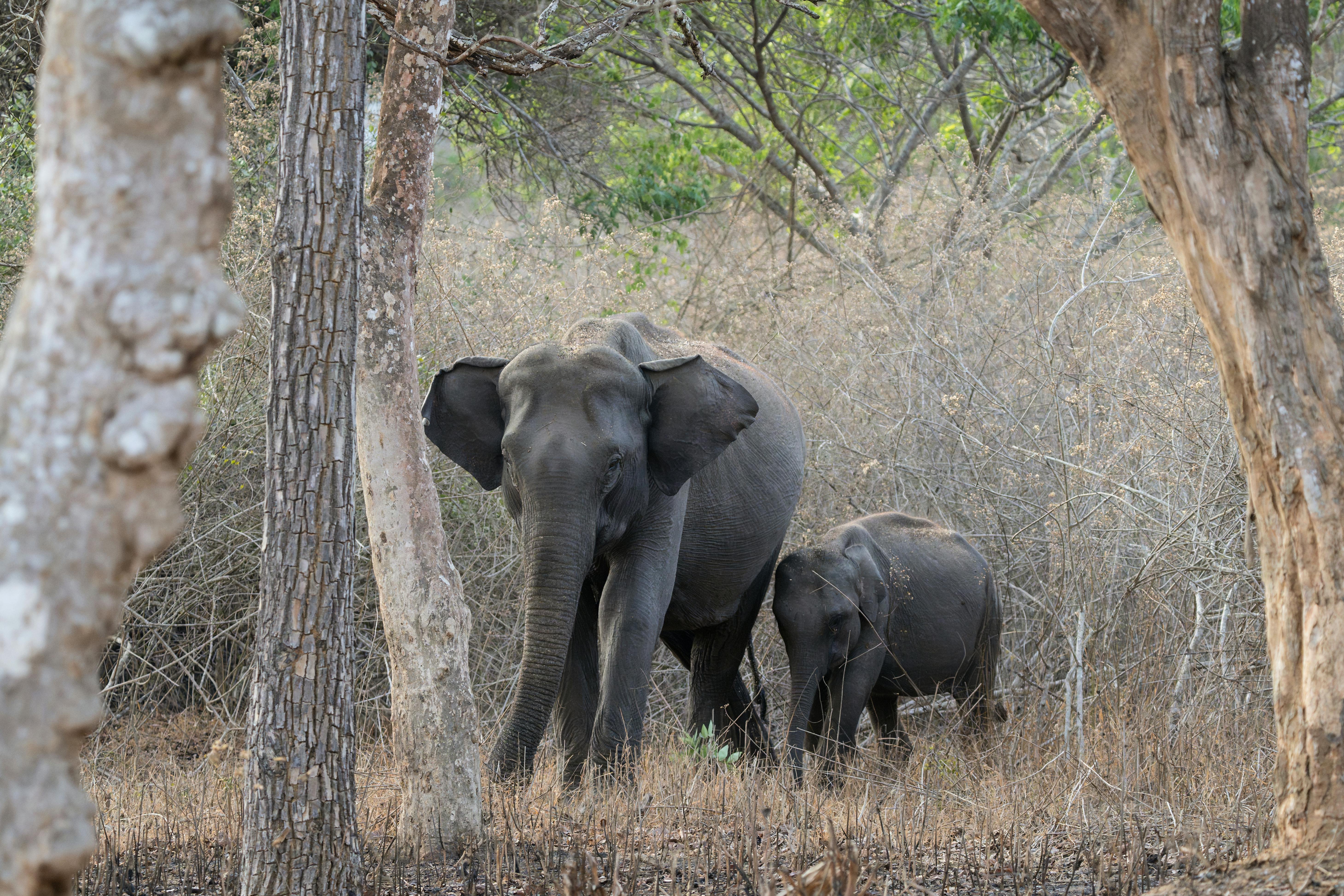
- Asian Elephant: ~1,100 elephants (2019), often seen in herds near the Ramganga.
- Leopards and Smaller Cats: Leopards, jungle cats, and fishing cats thrive in dense forests.
- Deer Species: Chital, sambar, barking deer, and hog deer form the prey base for predators.
- Others: Sloth bears, Asiatic black bears, Indian pangolins, otters, and langurs add diversity.

Birds
With over 600 species, Jim Corbett is a birdwatcher’s paradise:
- Residents: Crested serpent eagle, great hornbill, Indian pitta, and kingfishers flourish.
- Migratory: Winter brings Siberian cranes, ducks, and geese to wetlands.
- Raptors: Over 50 raptor species, including owls and nightjars, patrol the skies.
Reptiles and Amphibians
The park hosts 25 reptile species, including:
- Indian Python: Found near water bodies, a key predator.
- Marsh Crocodile and Gharial: Released into the Ramganga, they thrive in the reservoir.
- Turtles and Lizards: Enhance the park’s reptilian diversity.
Flora
Over 600 plant species shape the park’s ecosystems:
- Trees: Sal, sissoo, khair, and chir pine dominate, with teak and eucalyptus planted artificially.
- Shrubs and Grasses: Ber, karaunda, and bamboo support smaller wildlife.
- Himalayan Species: Banj oak and palms like date palm grow at higher elevations.
Historical Geography: From Hailey to Corbett
Jim Corbett’s history is a saga of conservation, rooted in colonial and post-independence efforts.
Origins (19th Century–1936)
In the early 19th century, the region was part of the Tehri Garhwal princely state, with forests exploited for timber. By 1815–1820, it was privately owned, but British control after 1820 restricted cultivation to preserve forests. In 1936, the park was established as Hailey National Park, named after Sir Malcolm Hailey, Governor of the United Provinces, to protect the Bengal tiger.
Jim Corbett’s Legacy
Born in Nainital in 1875, Edward James Corbett was a hunter who killed 19 tigers and 14 leopards, many man-eaters threatening villages. Later, he became a conservationist, advocating for wildlife preservation. His books, like Man-Eaters of Kumaon (1944), popularized the region. Corbett’s efforts were pivotal in establishing the park, and it was renamed Ramganga National Park (1954–1955) before adopting his name in 1957 after his death.
Project Tiger and Expansion
In 1973, Jim Corbett became the launch site for Project Tiger, a landmark initiative to save India’s tigers from extinction. The park’s area expanded in 1991 to include the Sonanadi Wildlife Sanctuary and Kalagarh forest division, forming the Corbett Tiger Reserve (1,288 km²). This solidified its role in global conservation.

image: tiger
Tourism: Exploring the Wild
Jim Corbett is a premier eco-tourism destination, offering safaris, cultural experiences, and adventure activities.
Safari Zones
The park is divided into seven tourism zones, each with unique landscapes and wildlife:
- Dhikala: The largest zone, rich in biodiversity, with iconic forest rest houses for overnight stays.
- Bijrani: Known for grasslands and tiger sightings, 1 km from Ramnagar.
- Jhirna: Open year-round, ideal for birdwatching and Great Hornbill.
- Dhela: A newer zone with diverse habitats, open year-round.
- Durgadevi: Hilly terrain, perfect for birdwatching.
- Garjia: Scenic, less crowded, with cultural significance.
- Sitabani (Buffer Zone): Offers serene landscapes, outside the core reserve.
Safari Types
- Jeep Safari: Open-sided jeeps (₹3,600–7,000) offer close wildlife encounters, best in Dhikala and Bijrani.
- Canter Safari: Larger vehicles (16–18 passengers) explore Dhikala, operated by forest officials.
- Trekking and Guided Walks: Allow intimate exploration, guided by experts.
Other Activities
- Birdwatching: Spot over 600 species, especially in Jhirna and Durgadevi.
- Adventure: Trekking, mountain biking, and river crossing near the Kosi River.
- Cultural Sites: Visit Garjiya Temple or Corbett Waterfall for cultural and scenic experiences.
Best Time to Visit
November–June is peak season, with clear weather and high wildlife visibility. Book safaris 25–30 days in advance via the official website (https://corbettgov.org/) to avoid scams, as noted in some travel blogs.
Conservation Efforts
Jim Corbett is a beacon of conservation, balancing wildlife protection with tourism.
Project Tiger
Launched in 1973, Project Tiger increased the park’s tiger population from 88 in 1973 to 260 in 2022, a global success. The park’s Veterinary Unit and Quick Response Team manage human-wildlife conflicts and provide healthcare.
Habitat Protection
The park safeguards habitats through:
- Core and Buffer Zones: The 822 km² core zone restricts human activity, while the buffer zone allows controlled tourism.
- Reforestation: Planting sal and bamboo to restore degraded areas.
- Anti-Poaching Patrols: Prevent illegal hunting, protecting tigers and elephants.
Economic Benefits
A 2015 study valued the park’s ecosystem services at ₹14.7 billion annually, including:
- Gene-Pool Protection: ₹10.65 billion for biodiversity preservation.
- Water Provision: ₹1.61 billion for downstream Uttar Pradesh.
- Carbon Sequestration: ₹214 million for climate mitigation.
Tourism generates ₹82 million in local employment, boosting Ramnagar’s economy.
Challenges Facing the Park
Despite its successes, Jim Corbett faces geographical and human-induced challenges.
Human-Wildlife Conflict
- Encroachment: Nearby villages expand into buffer zones, reducing habitats.
- Conflicts: Tigers and elephants occasionally enter farmlands, causing crop damage and safety risks.
- Mitigation: The park’s toll-free number (1800-890-1975) and Quick Response Team address conflicts.
Environmental Pressures
- Climate Change: Altered monsoons and rising temperatures stress water bodies like the Ramganga.
- Pollution: Plastic waste from tourists litters trails, harming wildlife.
- Deforestation: Historical timber cutting reduced forest cover, though reforestation is ongoing.
Tourism Overload
- Overcrowding: Popular zones like Dhikala see heavy jeep traffic, disturbing animals.
- Unethical Practices: Some resorts outside the park offer captive elephant rides, criticized for animal welfare issues.
- Booking Scams: Unauthorized websites mislead tourists, leading to cancellations without refunds.
Sustainable Future for Jim Corbett
Jim Corbett is embracing sustainable practices to ensure its legacy endures.
Eco-Tourism Guidelines
- Do’s: Follow park rules, stay on designated paths, use binoculars for safe viewing, and carry water and sunscreen.
- Don’ts: Avoid loud noises, feeding animals, or littering to minimize environmental impact.
- Advance Booking: Use the official website to secure ethical safaris, supporting conservation funds.
Community Engagement
- Local Employment: Guides, drivers, and resort staff from Ramnagar sustain livelihoods.
- Awareness Campaigns: Schools and NGOs educate visitors on biodiversity, reducing littering.
- Solluna Resort: A 5-star resort near the Ramganga offers eco-friendly stays, blending luxury with conservation.
Technology and Research
- Camera Traps: Monitor tiger populations, aiding conservation planning.
- GIS Mapping: Tracks habitat changes, guiding reforestation.
- ISRO Collaboration: Satellite data monitors forest health, linked to Himalayan glacial retreat studies.
Why Jim Corbett’s Geography Matters
Jim Corbett National Park is more than a wildlife sanctuary—it’s a geographical marvel where Himalayan foothills, the Ramganga River, and diverse ecosystems converge to support 260 tigers, 1,100 elephants, and 600 bird species. Its history, from Hailey to Project Tiger, reflects India’s conservation pioneering. Yet, challenges like human-wildlife conflict and tourism pressures demand sustainable solutions. By embracing eco-tourism, community engagement, and technology, Jim Corbett ensures a thriving future for India’s wilderness, inspiring global conservation efforts.
Have you explored Jim Corbett’s safaris or spotted a tiger? Share your experiences in the comments, or subscribe for more geography stories!
Explore More Indian Geography Stories
Jim Corbett is one chapter of India’s geographical narrative. Dive into the Ramganga River series for more:
- Physical Geography of the Ramganga River: Explore its Himalayan origins and ecological wonders.



Leave a Reply