

India’s geography is as diverse as its culture, stretching from snow-capped Himalayan peaks to sun-baked deserts, from tropical rainforests to long coastlines. Whether you are a student preparing for exams, a curious traveller, or someone who wants to understand the land they live on better, these 50 fascinating facts explain why India’s geography is truly extraordinary.
To explore these regions in depth, our guides on India’s physical geography offer a comprehensive overview of how landforms shape life across the subcontinent.
The Big Picture: India’s Place in the World
1. India is the seventh-largest country by area, covering approximately 3.287 million square kilometres. To put that in perspective, you could fit the United Kingdom into India about 13 times over.
1. India is the seventh-largest country by area, covering approximately 3.287 million square kilometres. To put that in perspective, you could fit the United Kingdom into India about 13 times over.
2. We’re home to over 1.4 billion people, making India the most populous country in the world as of 2023. That’s roughly one out of every six people on Earth.
3. India lies entirely in the Northern Hemisphere, positioned between 8°4′ and 37°6′ North latitude and 68°7′ and 97°25′ East longitude.
4. The southernmost point of mainland India is Cape Comorin (Kanyakumari) in Tamil Nadu, where three seas meet in a spectacular confluence.
5. India shares land borders with seven countries: Pakistan, China, Nepal, Bhutan, Bangladesh, Myanmar, and Afghanistan (a tiny border in Kashmir).
Mountains That Touch the Sky
6. India is home to the mighty Himalayan mountain range, which includes Kanchenjunga, the third-highest peak in the world
7. The Himalayas are still rising by about 5 mm each year as the Indian Plate continues to collide with the Eurasian Plate.
8. The Western Ghats and Eastern Ghats are far older than the Himalayas and play a crucial role in India’s climate.
9. Ladakh sits at an average altitude of 3,000 metres, making it one of the highest inhabited regions in the world where people live year-round.
10. The Nilgiri Hills get their name from the blue haze that envelops them, created by eucalyptus oil vapours mixing with the atmosphere.
Rivers: The Lifelines of India
11. India has over 400 rivers, but seven are considered particularly sacred in Hindu tradition: the Ganges, Yamuna, Saraswati, Indus, Godavari, Narmada, and Kaveri.
12. The Ganges River system is the world’s third-largest by discharge volume and supports more than 400 million people along its course.
13. The Brahmaputra River flows through three countries – China, India, and Bangladesh – and changes its name at each border.
14. India has both east-flowing and west-flowing rivers. Most peninsular rivers flow east into the Bay of Bengal, whilst the Narmada and Tapti flow west into the Arabian Sea.
15. The Indus River, which gives India its name, actually flows mostly through Pakistan today, but originates in Tibet and passes through Ladakh.
Deserts, Forests, and Everything Between
16. The Thar Desert is the world’s most densely populated desert, with about 83 people per square kilometre. Rajasthan’s desert isn’t empty at all.
17. India has the largest mangrove forest in the world – the Sundarbans, shared with Bangladesh, covering about 10,000 square kilometres.
18. The only active volcano in South Asia is in India – Barren Island in the Andaman Sea, which last erupted in 2017.
19. Nearly 25% of India’s geographical area is covered by forests, though this percentage varies significantly by state.
20. The Western Ghats are a UNESCO World Heritage Site and are recognised as one of the eight “hottest hotspots” of biological diversity in the world.
Islands: India’s Hidden Gems
21. India has 1,382 islands, including the Andaman and Nicobar Islands in the Bay of Bengal and Lakshadweep in the Arabian Sea.
22. The Andaman Islands are closer to Myanmar and Thailand than they are to mainland India, sitting over 1,200 kilometres from the east coast.
23. Lakshadweep is India’s smallest Union Territory, comprising just 32 square kilometres spread across several tiny coral islands.
24. North Sentinel Island in the Andamans is home to one of the world’s last uncontacted tribes, who have consistently rejected contact with the outside world.
25. Majuli in Assam is the world’s largest river island, though it’s shrinking due to erosion from the Brahmaputra.
Coasts and Seas
26. India has a coastline of 7,517 kilometres, with Gujarat having the longest at 1,600 kilometres.
27. India is surrounded by water on three sides – the Arabian Sea to the west, the Bay of Bengal to the east, and the Indian Ocean to the south.
28. The Sunderbans delta, formed by the Ganges and Brahmaputra, is the world’s largest delta and home to the famous Royal Bengal Tiger.
29. Chilika Lake in Odisha is Asia’s largest brackish water lagoon, where fresh and saltwater mix.
30. The Gulf of Mannar Biosphere Reserve, between India and Sri Lanka, has one of the richest marine biodiversity in the world with over 4,200 species.
Climate: From Monsoons to Microclimates
31. India experiences six seasons according to the Hindu calendar – spring, summer, monsoon, autumn, pre-winter, and winter – though meteorologically, we recognise four.
32. Mawsynram in Meghalaya holds the world record for highest annual rainfall, receiving an average of about 11,872 millimetres per year.
33. Drass in Ladakh is often called the second coldest inhabited place on Earth, with winter temperatures dropping below -40°C.
34. The monsoon brings about 80% of India’s annual rainfall between June and September, making it crucial for agriculture.
35. India has places that experience every type of climate – from tropical rainforest in Kerala to arctic conditions in Siachen Glacier.
Unique Geographical Features
36. The Deccan Plateau covers most of southern India and is one of the oldest geological formations in the world, formed by volcanic activity.
37. India sits on its own tectonic plate – the Indian Plate – which is moving northward at about 5 centimetres per year.
38. The Siachen Glacier is the world’s highest battlefield, sitting at an altitude of nearly 6,000 metres where Indian troops are stationed.
39. India has the third-largest area of wetlands in Asia, covering approximately 15.3 million hectares.
40. The Gulf of Khambhat (Cambay) in Gujarat experiences some of the highest tidal ranges in the world, reaching up to 11 metres.
Agriculture and Land Use
41. About 60% of India’s land is arable, which is one of the highest percentages globally and explains why agriculture employs nearly half our workforce.
42. India has 15 agro-climatic zones, each with distinct soil types, rainfall patterns, and crop suitability.
43. The Indo-Gangetic Plain is one of the world’s most fertile regions, supporting intensive agriculture and dense populations across northern India.
44. India is the world’s largest producer of spices, with Kerala and Karnataka being major contributors thanks to their favourable geography.
45. The black soil of the Deccan Plateau, called regur, is perfect for growing cotton, which is why the region has historically been a textile powerhouse.
Borders and Extremities
46. India’s northernmost point is Indira Col in Siachen Glacier, at a latitude of about 35.5°N, whilst the southernmost point of Indian territory is Indira Point in the Nicobar Islands.
47. The India-Bangladesh border is the world’s fifth-longest land border, stretching 4,096 kilometres.
48. India and Pakistan share one of the most militarised borders in the world, particularly the Line of Control in Kashmir.
49. The Radcliffe Line, drawn in 1947, divided India and Pakistan and remains one of the most politically sensitive borders globally.
50. India’s Exclusive Economic Zone (EEZ) extends 200 nautical miles from its coasts, giving India rights over marine resources in an area of about 2.3 million square kilometres.
Why Geography Matters
Understanding India’s geography isn’t just about memorising facts for exams. It helps us appreciate why Kerala’s cuisine is so different from Punjab’s, why Mumbai gets monsoon rains whilst Delhi doesn’t, and why border states have unique cultural influences. Our geography has shaped our history, influenced our festivals, determined our languages, and continues to impact our economy and politics.
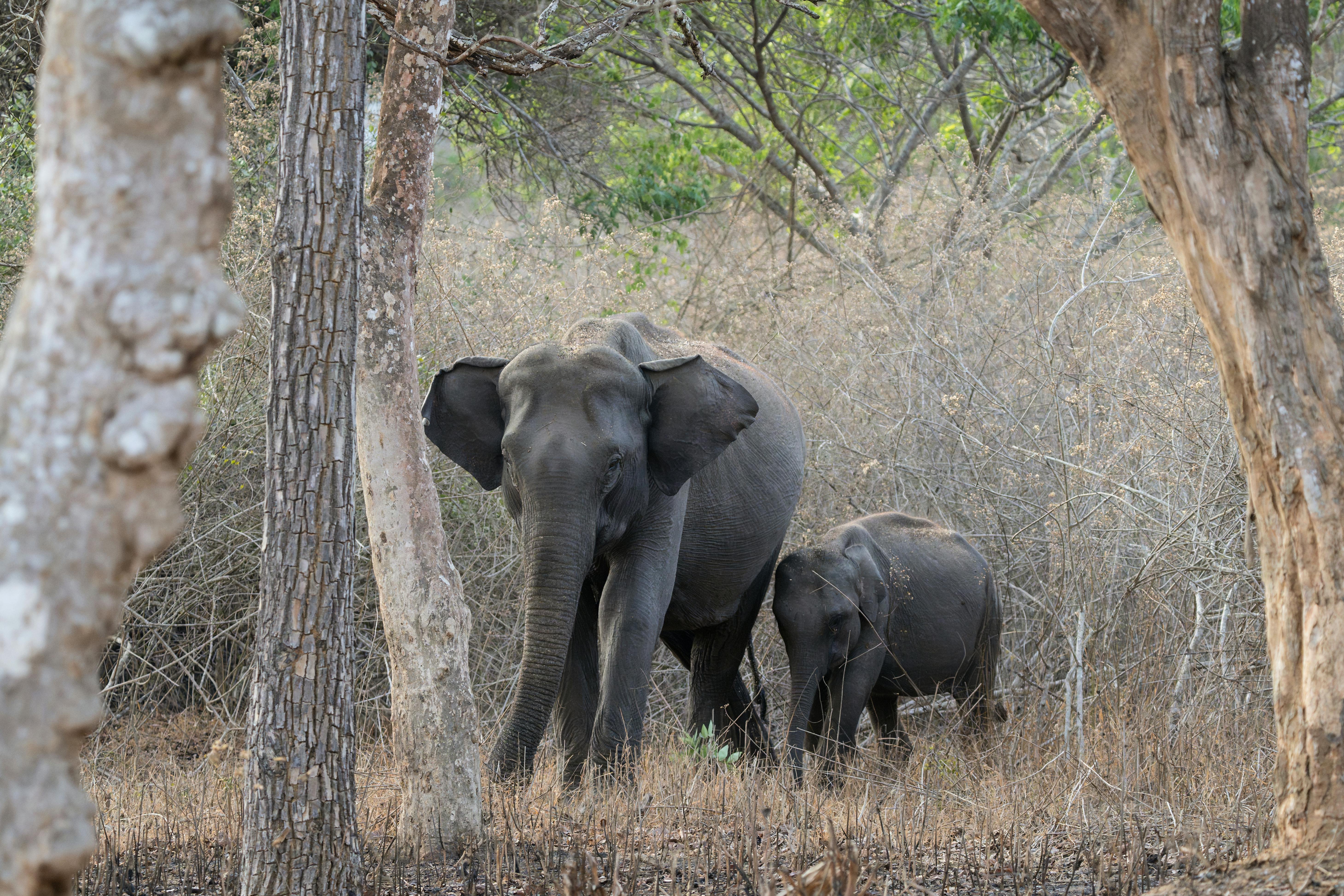
From the snow leopards of Ladakh to the elephants of Kerala, from the saffron fields of Kashmir to the tea gardens of Assam, India’s geographical diversity is unmatched. These 50 facts barely scratch the surface, but they offer a glimpse into what makes this land so extraordinary.
The next time you bite into a Kashmiri apple, sip Darjeeling tea, or watch the sunset at Kanyakumari, remember – it’s all geography. And it’s all beautifully, wonderfully Indian.
Want to explore more about India’s incredible landscapes? Check out our detailed guides on the Himalayas, Western Ghats, and river systems that have shaped civilisations for thousands of years.



Leave a Reply