
Introduction
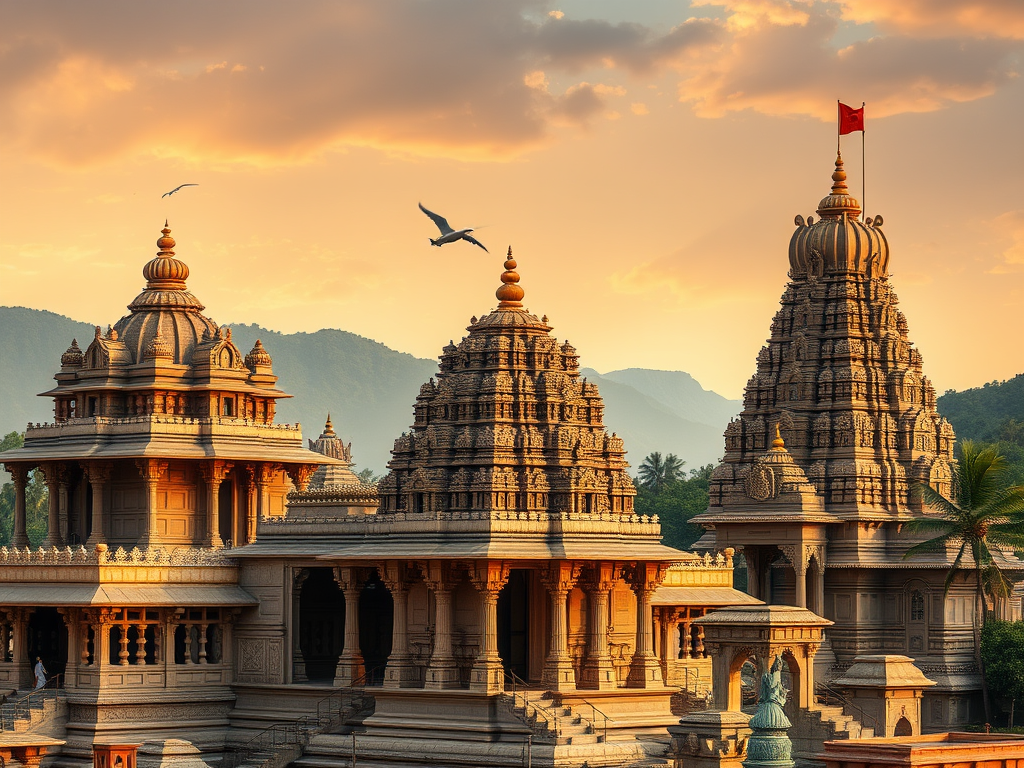
Temple architecture in India is a profound expression of the country’s spiritual, cultural, and artistic heritage, spanning over two millennia. Rooted in religious traditions, primarily Hinduism, but also Jainism and Buddhism, Indian temples are not merely places of worship but architectural marvels that embody cosmological principles, regional identities, and societal values. From the rock-cut caves of Ajanta to the towering gopurams of South India, temple architecture reflects India’s diverse geography, historical evolution, and cultural synthesis. Each region developed distinct styles—Nagara in the north, Dravida in the south, Vesara in the Deccan, and others—shaped by local materials, patronage, and socio-political contexts. This essay provides a comprehensive exploration of temple architecture across India, examining its historical development, regional styles, structural features, cultural significance, economic impact, and contemporary challenges.
Historical Context
Indian temple architecture traces its origins to the Vedic period (c. 1500–500 BCE), when temporary altars were used for rituals. Permanent structures emerged around the 3rd century BCE, with Buddhist stupas and rock-cut caves under the Mauryas. The Gupta period (4th–6th centuries CE) marked a golden age, standardizing Hindu temple forms. Subsequent dynasties—Chalukyas, Pallavas, Cholas, Hoysalas, Chandellas, and others—refined regional styles, integrating local traditions with pan-Indian philosophies like Vaishnavism, Shaivism, and Shaktism. The arrival of Islamic rule (13th century CE) and later European influences introduced syncretic elements, while colonial and post-independence periods saw preservation and revival efforts.
Temples served as religious, cultural, and economic hubs, supported by royal patronage, merchant guilds, and community contributions. They were centers for rituals, education, art, and festivals, reflecting India’s pluralistic ethos. The architectural evolution was guided by texts like the Vastu Shastra and Shilpa Shastra, which outlined principles of design, proportion, and iconography, ensuring temples were microcosms of the universe.
Regional Styles of Temple Architecture
Indian temple architecture is broadly classified into three major styles—Nagara, Dravida, and Vesara—with additional regional variations. Each style is distinguished by its structural features, ornamentation, and geographical context.
1. Nagara Style: North India
The Nagara style, prevalent in North India (Uttar Pradesh, Madhya Pradesh, Rajasthan, Gujarat, Odisha), is characterized by a curvilinear shikhara (tower) and a compact ground plan. It emerged during the Gupta period and flourished under dynasties like the Gurjara-Pratiharas, Chandellas, and Paramaras.
- Structural Features:
- Shikhara: A tall, curvilinear spire crowning the garbhagriha (sanctum), symbolizing Mount Meru, the cosmic axis. Subtypes include Latina (smooth curve), Phamsana (stepped), and Valabhi (barrel-vaulted).
- Garbhagriha: A small, dark sanctum housing the deity, topped by the shikhara.
- Mandapa: A pillared hall for rituals, often with a porch or ardha-mandapa (half-hall).
- Amalaka and Kalasha: A ribbed stone disc (amalaka) and pot-like finial (kalasha) atop the shikhara.
- Plan: Square or cruciform, with projections (rathas) on the outer walls.
- Examples:
- Kandariya Mahadeva Temple, Khajuraho (Madhya Pradesh): Built by the Chandellas (c. 1030 CE), this UNESCO World Heritage Site is a pinnacle of Nagara architecture. Its soaring Latina shikhara, intricate erotic sculptures, and multi-tiered mandapas reflect Shaivite devotion and artistic mastery.
- Sun Temple, Konark (Odisha): Constructed by the Eastern Gangas (13th century CE), this temple, designed as a colossal chariot for Surya, features a rekha deul (curved tower) and detailed carvings of celestial beings. A UNESCO site, it showcases Odisha’s distinct Nagara variant.
- Lingaraja Temple, Bhubaneswar (Odisha): Built in the 11th century, it combines a towering deul with multiple mandapas, exemplifying Kalinga architecture.
- Dashavatara Temple, Deogarh (Uttar Pradesh): A Gupta-era (6th century) temple with early Nagara features, including a modest shikhara and Vishnu iconography.
- Cultural Context: Nagara temples were centers of Hindu and Jain worship, supported by royal patronage. They hosted festivals like Maha Shivaratri and Rath Yatra, fostering community bonds. The Khajuraho temples, with their tantric sculptures, reflect esoteric traditions, while Odisha’s temples emphasize Vaishnavism.
2. Dravida Style: South India
The Dravida style, dominant in South India (Tamil Nadu, Karnataka, Andhra Pradesh, Kerala), is characterized by a stepped, pyramidal vimana (tower) and elaborate gopurams (gateway towers). It evolved under the Pallavas (6th–9th centuries) and reached its zenith under the Cholas, Pandyas, and Vijayanagaras.
- Structural Features:
- Vimana: A multi-tiered, pyramidal tower over the garbhagriha, with a flat roof and a small dome (stupi).
- Gopuram: Monumental entrance towers, often taller than the vimana, adorned with colorful sculptures of deities and mythical beings.
- Mandapa: Large, pillared halls, sometimes with thousand-pillar designs, for rituals and gatherings.
- Prakara: Enclosing walls with subsidiary shrines and tanks (teppakulam).
- Materials: Granite and soapstone, enabling intricate carvings.
- Examples:
- Brihadeeswarar Temple, Thanjavur (Tamil Nadu): Built by Chola king Rajaraja I (1010 CE), this UNESCO site features a massive 66-meter vimana, a monolithic Nandi statue, and detailed frescoes. Its engineering, including a 80-ton stupi, reflects Chola grandeur.
- Meenakshi Temple, Madurai (Tamil Nadu): A Pandya masterpiece (16th–17th centuries), it boasts four towering gopurams with vibrant stucco figures and a thousand-pillar mandapa. The annual Meenakshi Tirukalyanam festival draws millions.
- Shore Temple, Mamallapuram (Tamil Nadu): A Pallava creation (8th century), this UNESCO site by the Bay of Bengal features two vimanas and weathered carvings, blending Dravida and rock-cut styles.
- Virupaksha Temple, Hampi (Karnataka): A Vijayanagara-era (14th century) temple with a soaring gopuram and intricate pillars, it remains a living temple during the Hampi Utsav.
- Cultural Context: Dravida temples are vibrant centers of Tamil, Telugu, and Kannada culture, hosting Bharatanatyam performances, Carnatic music, and festivals like Pongal and Deepavali. They reflect Shaivism, Vaishnavism, and Shaktism, with Chola bronzes (Nataraja) showcasing artistic excellence.
3. Vesara Style: Deccan Synthesis
The Vesara style, a hybrid of Nagara and Dravida, flourished in the Deccan (Karnataka, Andhra Pradesh, Maharashtra) under the Chalukyas, Rashtrakutas, and Hoysalas. It combines the Nagara shikhara’s curvature with the Dravida’s stepped aesthetic.
- Structural Features:
- Shikhara: A hybrid tower, blending curvilinear and stepped elements, often star-shaped in plan.
- Mandapa: Ornate, open halls with lathe-turned pillars and intricate ceilings.
- Sculpture: Detailed carvings of deities, dancers, and mythical creatures, emphasizing craftsmanship.
- Materials: Soapstone, allowing for fine detailing.
- Examples:
- Hoysaleswara Temple, Halebidu (Karnataka): Built by the Hoysalas (12th century), this temple features a star-shaped platform, twin shikharas, and exquisite carvings of gods and dancers, showcasing Vesara intricacy.
- Kailasanatha Temple, Ellora (Maharashtra): A Rashtrakuta marvel (8th century), this rock-cut monolithic temple blends Vesara and Dravida elements, with a towering shikhara and detailed friezes.
- Pattadakal Temples (Karnataka): A UNESCO site built by the Chalukyas (7th–8th centuries), it includes Vesara (Virupaksha Temple) and Nagara (Mallikarjuna Temple) structures, reflecting stylistic experimentation.
- Chennakesava Temple, Belur (Karnataka): A Hoysala creation (12th century), it features a star-shaped vimana and delicate sculptures, including madanikas (celestial dancers).
- Cultural Context: Vesara temples were centers of Shaivism, Vaishnavism, and Jainism, fostering Kannada and Marathi cultural traditions. They hosted festivals like Makar Sankranti and supported dance forms like Yakshagana.
4. Other Regional Styles
- Kalinga Style (Odisha): A Nagara substyle, it features a rekha deul (curved tower) and pidha deul (pyramidal hall). The Sun Temple at Konark and Jagannath Temple in Puri exemplify its bold forms and maritime motifs.
- Gadag Style (Karnataka): A Chalukya variant, seen in the Doddabasappa Temple, with star-shaped plans and stepped shikharas.
- Maru-Gurjara Style (Rajasthan, Gujarat): A Jain and Hindu style under the Solankis, characterized by ornate mandapas and delicate carvings, as in the Dilwara Temples (11th–13th centuries) on Mount Abu.
- Kerala Style: Distinct for its sloping roofs and woodwork, influenced by tropical climate, as seen in the Padmanabhaswamy Temple, Thiruvananthapuram.
- Bengal Style: Features curved roofs (chala) inspired by bamboo huts, as in the Dakshineswar Kali Temple, Kolkata.
Structural and Artistic Features
Indian temple architecture is guided by Vastu Shastra, ensuring cosmic alignment, and Shilpa Shastra, detailing iconography and proportions. Common features include:
- Sanctum (Garbhagriha): The sacred core housing the deity, symbolizing the divine presence.
- Tower (Shikhara/Vimana): Represents the cosmic mountain, connecting earth and heaven.
- Mandapa: A congregational space for rituals, often with ornate pillars and ceilings.
- Sculpture and Iconography: Carvings of deities, apsaras, and mythological scenes adorn walls, pillars, and gopurams. Erotic sculptures (Khajuraho) and dance poses (Hoysala temples) reflect spiritual and aesthetic ideals.
- Materials: Sandstone (Nagara), granite (Dravida), soapstone (Vesara), and marble (Maru-Gurjara) vary by region, influencing durability and detailing.
- Water Bodies: Tanks and stepwells, like those in Madurai and Pattadakal, support rituals and community gatherings.
Artistic elements include:
- Frescoes and Paintings: Chola frescoes in Thanjavur and Ajanta’s Buddhist murals depict divine narratives.
- Bronzes: Chola Nataraja and Vijayanagara deity icons are masterpieces of metallurgy.
- Pillars and Ceilings: Hoysala lathe-turned pillars and Pallava monolithic pillars showcase engineering precision.
Cultural and Religious Significance
Temples are central to Indian culture, serving as:
- Religious Hubs: They facilitate worship, rituals (puja), and festivals (Maha Shivaratri, Navratri). Pilgrimage circuits, like the Char Dham (Badrinath, Puri, Rameswaram, Dwarka), draw millions.
- Cultural Centers: Temples host dance (Bharatanatyam, Odissi), music (Carnatic, Hindustani), and literature recitals. The Natya Shastra’s influence is evident in temple dance sculptures.
- Social Institutions: They provide education, charity, and community spaces, historically supported by agraharas (Brahmin settlements) and guilds.
- Symbolism: Temples embody cosmic order, with the garbhagriha as the divine center and the shikhara as the path to liberation.
Interfaith significance includes Buddhist viharas (Sanchi), Jain temples (Dilwara), and syncretic influences in Vijayanagara temples, reflecting India’s pluralism.
Economic and Tourism Impact
Temples have historically and continue to drive India’s economy:
- Historical Economy: Royal endowments, merchant guilds (nakarams), and land grants funded temple construction and maintenance. Temples like Thanjavur and Madurai managed vast estates, supporting artisans and priests.
- Modern Tourism: UNESCO sites (Khajuraho, Hampi, Konark) and living temples (Tirupati, Vaishno Devi) attract millions, contributing to India’s tourism GDP. The Incredible India campaign promotes temple trails, like the Tamil Nadu Temple Circuit.
- Artisanal Economy: Temple towns support crafts (stone carving, bronze casting, textiles) and festivals (e.g., Meenakshi Tirukalyanam), boosting local markets.
- Employment: Priests, guides, and vendors depend on temple economies, with Tirupati’s temple employing thousands.
Regional Diversity and Unity
Temple architecture reflects India’s regional diversity while fostering cultural unity:
- North India: Nagara temples in Khajuraho and Odisha emphasize Shaivism and Vaishnavism, with distinct Kalinga substyles.
- South India: Dravida temples in Tamil Nadu and Karnataka showcase Tamil and Kannada identities, united by shared rituals like Pongal.
- Deccan: Vesara temples in Halebidu and Ellora blend northern and southern aesthetics, reflecting Chalukya and Hoysala syncretism.
- West India: Maru-Gurjara temples in Gujarat and Rajasthan highlight Jain and Hindu patronage, with intricate marble work.
- East and Northeast: Bengal’s chala style and Sikkim’s Buddhist monasteries adapt to local climates and cultures.
Pan-Indian festivals (Diwali, Rath Yatra) and pilgrimage routes (Kailasa Yatra, Jyotirlingas) unite diverse temple traditions, reinforcing India’s cultural cohesion.
Contemporary Challenges
Temple architecture faces significant challenges:
- Preservation: Weathering, vandalism, and urban encroachment threaten sites like Konark and Ellora. The Archaeological Survey of India (ASI) struggles with funding and expertise.
- Pollution: Air and water pollution, as in Mamallapuram, damages stone carvings. Acid rain affects Khajuraho’s sandstone.
- Tourism Pressure: Overcrowding at Tirupati and Madurai risks structural damage and diminishes visitor experience.
- Modernization: Insensitive renovations, like concrete additions to ancient temples, compromise authenticity.
- Legal Disputes: Ownership and management disputes, as in Ayodhya’s Ram Temple, create socio-political tensions.
Conservation Efforts
- Government Initiatives: The ASI and HRIDAY scheme restore temples, while UNESCO funding supports sites like Hampi.
- Community Action: Local trusts, like the Tirumala Tirupati Devasthanams, fund conservation and rituals.
- Technology: 3D scanning and digital archives, used in Khajuraho, aid preservation.
- Sustainable Tourism: Eco-friendly practices, like waste management at Puri, balance tourism and heritage.
Global and Modern Influence
Indian temple architecture has a global footprint:
- Diaspora Temples: Temples like the Swaminarayan Temple in London and Venkateswara Temple in Cary, USA, replicate Nagara and Dravida styles, serving Indian diaspora communities.
- Cultural Diplomacy: India promotes temple heritage through festivals (e.g., Khajuraho Dance Festival) and exhibitions, enhancing soft power.
- Architectural Inspiration: Modern architects draw from temple symmetry and Vastu Shastra for sustainable designs, as seen in Auroville’s Matrimandir.
- Media and Tourism: Social media amplifies temple visibility, with hashtags like #Khajuraho and #Hampi trending. Documentaries like Temples of India showcase their global appeal.
Modern temples, like the Ram Temple in Ayodhya (2024), blend traditional Nagara aesthetics with contemporary engineering, reflecting ongoing relevance.
Challenges in Studying Temple Architecture
Studying Indian temple architecture requires navigating diverse sources:
- Textual Records: Vastu Shastra, Agamas, and inscriptions provide insights but vary in interpretation.
- Archaeological Evidence: Excavations at Pattadakal and Ellora offer material clues but are incomplete due to erosion.
- Regional Variations: Styles like Kalinga and Kerala require specialized study to understand local adaptations.
- Colonial Biases: British accounts often undervalued temple art, necessitating critical reassessment.
Conclusion
Temple architecture across India is a testament to the nation’s spiritual depth, artistic ingenuity, and cultural diversity. From the soaring shikharas of Nagara temples in Khajuraho to the majestic gopurams of Dravida temples in Madurai, and the intricate Vesara designs of Halebidu, each style reflects regional identities while embodying universal spiritual ideals. Temples have been and remain centers of worship, culture, and economy, uniting India through shared rituals and pilgrimage. Despite challenges like pollution and modernization, conservation efforts and global appreciation ensure their preservation. Indian temple architecture, with its timeless beauty and profound symbolism, continues to inspire awe, fostering a deeper understanding of India’s heritage and its enduring contributions to global culture.




Leave a Reply