
Table of Contents
Quick Facts About Sanjay Gandhi National Park
- Location: Borivali, Mumbai, Maharashtra, India
- Established: 1969 (Wildlife Sanctuary), 1983 (National Park)
- Area: 86.96 sq km
- Biome: Mixed deciduous forests, evergreen patches, lakes, Western Ghats foothills
- Key Features: Kanheri Caves (2nd–9th century Buddhist site), Tulsi and Vihar Lakes, home to leopards, rich birdlife, part of Tungareshwar Wildlife Corridor
- Flora: Teak, bamboo, karvi, kadamba, red silk cotton, acacia, Indian gooseberry
- Fauna: 35+ mammals (e.g., Indian leopard, chital, rhesus macaque), 251+ bird species (e.g., Indian grey hornbill, sunbird), 38+ reptiles, 150+ butterflies
- Best Time to Visit: October to March
- Nearest Town: Borivali (2 km from park entrance)
- Entry Fee: ₹53 (adults), ₹28 (children 5–12); safari: ₹150–300; camera fees extra
- Permits: Required for safaris/trekking; book at SGNP main gate or online via sgnp.maharashtra.gov.in
- Timings: 7:30 AM–6:30 PM (park); safaris: 9:00 AM–4:00 PM; closed Mondays
- Contact: Sanjay Gandhi National Park Office, Borivali, Tel: +91-22-28860389
Introduction to Sanjay Gandhi National Park
Sanjay Gandhi National Park (SGNP), sprawling across 86.96 square kilometers in Mumbai’s Borivali suburb, is a rare urban wilderness in the Western Ghats foothills. It was established as a wildlife sanctuary in 1969. It also became a national park in 1983. In 1981, it was renamed after Sanjay Gandhi.
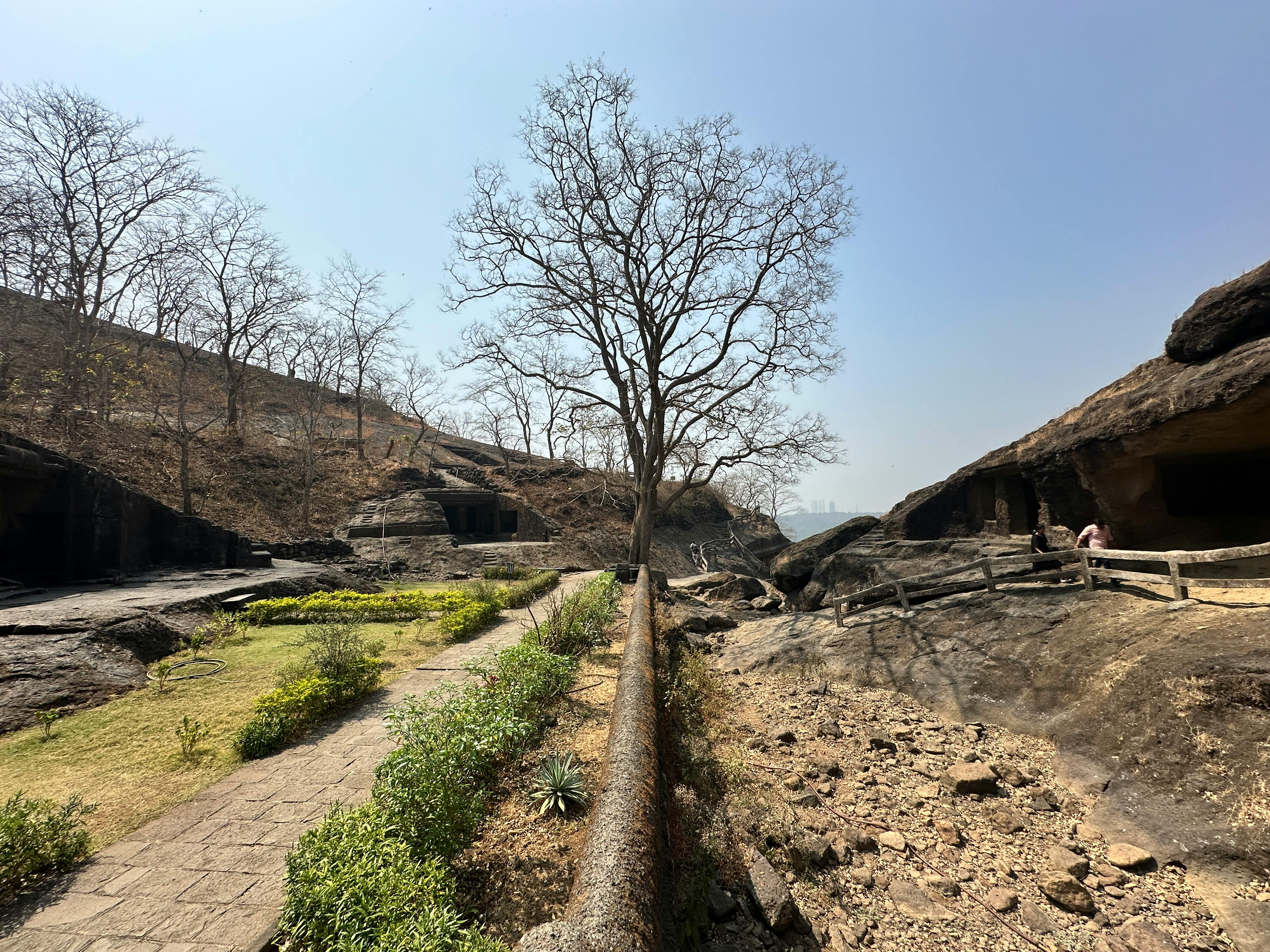
Known for its lush forests, Tulsi and Vihar Lakes, and the 2nd–9th century Kanheri Caves, a Buddhist heritage site, SGNP is a biodiversity hotspot with over 35 leopards and 251 bird species. Located just 2 km from Borivali, it offers lion and tiger safaris, boating, and trekking, making it a popular retreat for Mumbai’s residents and tourists seeking nature and history.
The Unique Ecosystem of the Western Ghats
Located at 19°12’–19°23’N and 72°51’–72°58’E, SGNP spans elevations from 30 to 480 meters in the Sahyadri foothills. Its mixed deciduous forests, with evergreen patches, receive 2,000–2,500 mm annual rainfall (June–September), with temperatures from 15°C (winter) to 38°C (summer). Tulsi and Vihar Lakes, supplying 10% of Mumbai’s water, and the Dahisar River sustain a lush ecosystem.
The park’s hills, valleys, and rocky outcrops create diverse microhabitats, connecting to Tungareshwar and Vanganga Wildlife Sanctuaries as a vital wildlife corridor. This urban-proximate ecosystem supports rare flora and fauna, balancing conservation with city pressures.
A Biodiversity Hotspot
SGNP hosts over 1,300 plant species, including teak, bamboo, karvi (blooming every 8 years, next in 2028), kadamba, red silk cotton, acacia, and Indian gooseberry, alongside medicinal herbs. Its fauna includes 35+ mammals like Indian leopards (35–50), chital, rhesus macaque, sambar, barking deer, Indian hare, and porcupine. Over 251 bird species thrive, including Indian grey hornbill, sunbird, paradise flycatcher, and migratory species like the black kite.
The park supports 38+ reptiles (e.g., Indian python, Russell’s viper), 9 amphibians, and 150+ butterfly species, with 40% endemic to the Western Ghats. Its proximity to Mumbai makes it a critical urban biodiversity hub.
The Exploration Experience

SGNP offers diverse activities, managed by the Maharashtra Forest Department:
- Lion and Tiger Safari: 20-minute caged van tours (₹150–300, 12 hectares, 9:00 AM–4:00 PM) showcase rescued lions and tigers. Book at the main gate or sgnp.maharashtra.gov.in.
- Boating: Paddle or row boats (₹50–100, 30 minutes) on Tulsi Lake for serene views and birdwatching.
- Trekking: Guided trails like Shilonda (5 km, ₹200–500) or Highest Point Trail (6 km, ₹300–600) to Yeoor Hills offer leopard and bird sightings. Permits required.
- Kanheri Caves Exploration: Visit 109 Buddhist caves (₹25 entry, ₹200 guide) with ancient carvings, accessible by park shuttle or trek.
- Birdwatching: Guided tours (₹200–400) in Krishnagiri Upvan for species like the Indian pitta, best in winter.
- Nature Trails: Short walks (₹100–200) to Gandhi Tekdi or Vihar Lake for flora and butterfly spotting.
Activities start from the main gate near Borivali. Book safaris/treks 7–30 days in advance, as daily entries are limited to 2,000 visitors.
A Conservation Success Story
SGNP’s conservation began in 1942 as Krishnagiri National Park, becoming a sanctuary in 1969 and a national park in 1983. The Forest Department’s anti-poaching patrols and leopard rescue programs maintain a stable leopard population (35–50). The 2018–2023 Management Plan restored 10 hectares of grasslands and controlled invasive species like lantana.
Community engagement with local Adivasi tribes, such as the Warli, provides livelihoods through guiding and eco-tourism. The park’s “Save Our Leopards” initiative mitigates human-leopard conflict in Mumbai’s suburbs. Challenges like urban encroachment and plastic pollution are addressed through awareness campaigns, making SGNP a model for urban conservation.
Best Time to Visit Sanjay Gandhi National Park
October to March offers pleasant weather (15°C–30°C), ideal for safaris, trekking, and birdwatching. Winter (November–February) is best for migratory birds. Summers (April–June, up to 38°C) are viable for early morning visits, but monsoons (June–September) bring heavy rain, limiting trail access due to flooding and leeches. The park remains open year-round, but book activities early, especially during weekends.
How to Reach Sanjay Gandhi National Park
SGNP is easily accessible from Mumbai:
- By Air: Chhatrapati Shivaji Maharaj International Airport, Mumbai (15 km, 30 minutes, taxis ₹500–1,000).
- By Train: Borivali Railway Station (2 km, 10 minutes, autos ₹50–100), connected to Mumbai’s Western Line and major cities.
- By Road: From Borivali (2 km, NH8) or Mumbai city center (40 km, 1 hour). BEST buses (₹10–50) or taxis/autos (₹200–500) reach the main gate.
- Permits: Book at SGNP main gate (Tel: +91-22-28860389) or online via sgnp.maharashtra.gov.in. ID (Aadhar/passport) required for foreigners.
Tips for Visiting Sanjay Gandhi National Park
- Book Early: Reserve safaris/treks 7–30 days in advance via sgnp.maharashtra.gov.in; limited to 2,000 visitors daily.
- Pack Essentials: Wear neutral clothing, sturdy shoes, and carry water (2L), insect repellent, sunscreen, binoculars, and rain gear (monsoons). Food stalls are available near the main gate.
- Hire Guides: Mandatory for treks (₹200–500); Warli tribal guides enhance wildlife spotting.
- Follow Rules: No littering, maintain silence, and stick to designated paths. Plastic is banned per the Wildlife Protection Act, 1972.
- Accommodation: Stay at MTDC Guest House (₹1,500–3,000, book via Maharashtra Tourism) or hotels in Borivali (e.g., The Fern Goregaon, ₹4,000–7,000).
- Health Precautions: Use leech repellent (Dettol/salt) in monsoons and check for ticks post-trek.
Cultural and Local Attractions
- Kanheri Caves: Within the park, a 2nd–9th century Buddhist site with 109 caves and ancient carvings.
- Tulsi Lake: A serene spot for boating and birdwatching.
- Yeoor Hills: 6 km away, offering trekking and tribal village visits.
- Aarey Milk Colony: 5 km away, a green oasis with dairy farms and picnic spots.
- Global Vipassana Pagoda: 10 km away, a meditation center with a 325-foot stupa.
Sustainable Tourism in Sanjay Gandhi National Park
SGNP promotes sustainable tourism with limited visitor entries, a no-plastic policy, and mandatory Warli tribal guides. The Forest Department’s eco-awareness programs and clean-up drives (e.g., Mumbai Forest Division’s 2024 initiatives) reduce urban pollution. Local tribes are employed as guides and caretakers, supporting livelihoods. Visitors are encouraged to buy Warli art and produce, ensuring minimal ecological impact.
Wildlife Photography and Research Opportunities
SGNP’s forests and lakes are ideal for photographing leopards, hornbills, and butterflies. Early morning treks (7:30 AM–9:00 AM) to Shilonda Trail offer optimal lighting. Researchers can study urban leopard ecology, bird migration, or forest regeneration, with support from the Mumbai Forest Division and NGOs like Wildlife Conservation Society–India. Photography permits (₹100–500) are required, obtainable at the main gate.
Culinary Delights of the Region
Mumbai’s cuisine enhances the SGNP experience:
- Vada Pav: Potato fritter in a bun, a Mumbai staple.
- Pav Bhaji: Spicy vegetable mash with buttered bread.
- Bhel Puri: Puffed rice snack with tamarind chutney.
- Misal Pav: Spicy lentil curry with bread.
- Cutting Chai: Strong, sweet tea in small glasses.
Eateries near Borivali (e.g., Bhagat Tarachand) or park canteens serve authentic dishes. Pack snacks for treks, as dining options are limited.
Conclusion
Sanjay Gandhi National Park, an 86.96 sq km oasis in Mumbai’s bustling suburbs, blends biodiversity with history in the Western Ghats foothills. Home to leopards, vibrant birdlife, and the ancient Kanheri Caves, it offers safaris, trekking, and boating amidst urban proximity. Sustainable practices and tribal engagement ensure its ecological integrity, making SGNP a must-visit for nature and culture enthusiasts. Plan your trip from October to March for a refreshing escape into Mumbai’s green heart.



Leave a Reply