
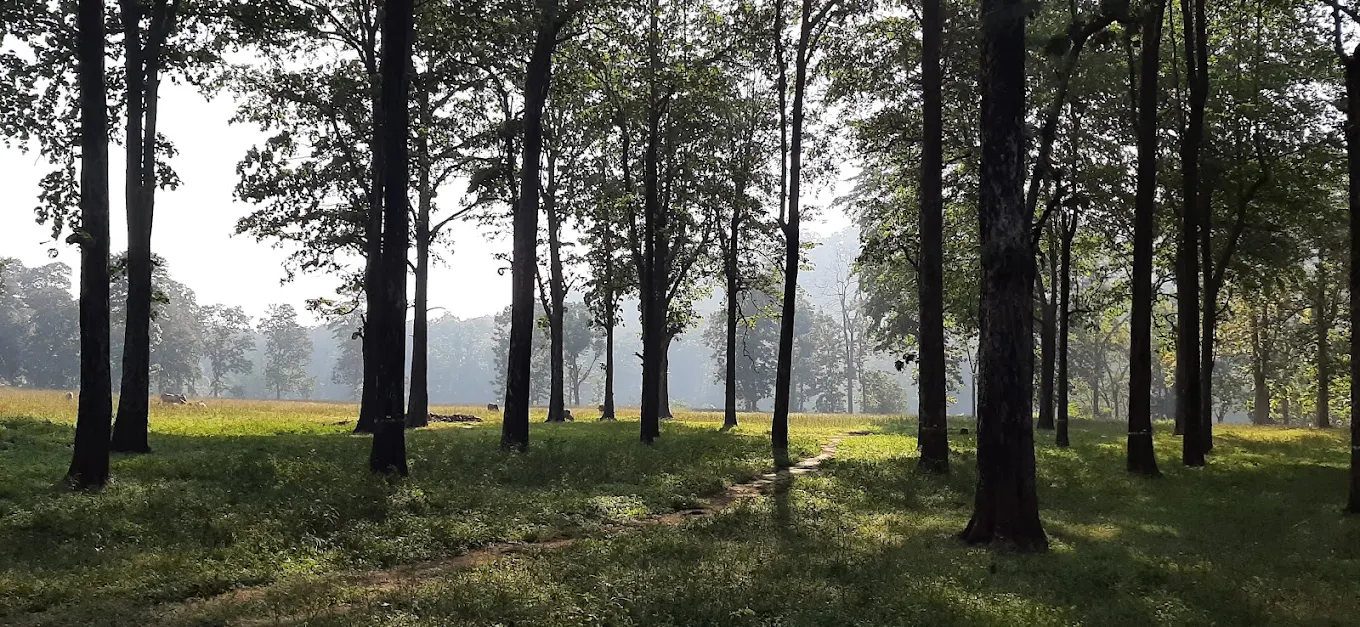
Discover Gugamal National Park in Melghat, Maharashtra – a pristine wilderness known for its tigers, rich wildlife, and scenic beauty. Learn about the best time to visit, safari options, and things to do in this hidden gem of central India.
Table of Contents
Quick Facts About Gugamal National Park
- Location: Chikhaldara and Dharni Tehsils, Amravati District, Maharashtra, India
- Established: 1974 (National Park), part of Melghat Tiger Reserve (1973)
- Area: 361.28 sq km (Melghat Tiger Reserve: 1,500.49 sq km)
- Biome: Southern tropical dry deciduous forests, grasslands, rivers
- Key Features: Part of Melghat Tiger Reserve, high tiger density (73–115 tigers), home to Bengal tigers, sloth bears, and 250+ bird species, UNESCO Satpura-Maikal landscape
- Flora: Over 750 plant species, including teak, ain, Indian gooseberry, lendia, dhawada, kusum, bamboo, orchids, and medicinal plants
- Fauna: 23+ mammals (e.g., Bengal tiger, Indian leopard, sloth bear, gaur, sambar, four-horned antelope), 250+ bird species (e.g., crested serpent eagle, paradise flycatcher), crocodiles, 25+ fish species
- Best Time to Visit: October to June (peak: November–February)
- Nearest Town: Paratwada (30 km), Chikhaldara (25 km)
- Entry Fee: ₹100–200 (Indians), ₹1,000 (foreign nationals); jeep safari: ₹2,500–3,500; camera fees extra
- Permits: Required for safaris; book at Semadoh Forest Office or mytadoba.mahaforest.gov.in
- Timings: Morning safari: 6:00 AM–10:00 AM; evening safari: 3:00 PM–6:00 PM; closed July–September (monsoon)
- Contact: Wildlife Warden, Sipna Wildlife Division, Paratwada, Tel: +91-7172-251414
Introduction

The Park is nestled in the Satpura Range of Maharashtra’s Amravati District, is a pristine 361.28-square-kilometer sanctuary within the Melghat Tiger Reserve, established in 1973 as Maharashtra’s first tiger reserve. Founded as a national park in 1974, it spans Chikhaldara and Dharni tehsils, forming the core of the 1,500.49 sq km reserve alongside Wan, Ambabarwa, and Narnala sanctuaries.
Named after the Gugamal Range, it’s renowned for its high tiger density (73–115 as per recent counts) and diverse wildlife, including sloth bears and over 250 bird species. Located 30 km from Paratwada, the park offers jeep safaris, trekking, and stunning views from plateaus, blending adventure with the cultural heritage of the Korku tribe, making it a must-visit for nature lovers.
The Unique Ecosystem of the Satpura Range
Situated at 20°04’–20°25’N and 79°13’–79°33’E, Gugamal spans elevations from 350 to 1,178 meters in the Melghat region of the Satpura Hills, near the Madhya Pradesh border. Its southern tropical dry deciduous forests, covering 87% of the park, feature teak and bamboo, with grassy meadows on hilltops and plateaus called “saddas.”
The park receives 1,850 mm annual rainfall (July–September), with temperatures from 10°C (winter) to 47°C (summer). Rivers like the Tapti (northern boundary), Melghat (Khandu), Gadga, and Dolar, along with Siddu Kund and Hathikund, sustain the ecosystem. As part of the Satpura-Maikal landscape, Gugamal supports a critical tiger corridor and biodiversity hotspot.
A Biodiversity Hotspot
Gugamal hosts over 750 plant species, including 90 trees (teak, ain, Indian gooseberry, lendia, dhawada, kusum), 316 herbs, 66 shrubs, 56 climbers, and 99 grasses.

Bamboo dominates, while orchids and Strobilanthes thrive in higher hills, alongside medicinal plants like tamalpati.
The park’s fauna includes 23+ mammals: Bengal tigers (73–115), Indian leopards, sloth bears, gaur, sambar, four-horned antelope, nilgai, chital, barking deer, wild boar, Indian jackal, Ussuri dhole, and flying squirrels. Over 250 bird species, such as crested serpent eagle, paradise flycatcher, Malabar pied hornbill, and white-throated kingfisher, attract birdwatchers. Reptiles include crocodiles (reintroduced in 1990–1991 in Siddu Kund and Hathikund), Indian pythons, and monitor lizards, with 25+ fish species and numerous butterflies.
The Exploration Experience
Gugamal offers controlled activities to protect its ecosystem, primarily through the Vairat and Semadoh gates:
- Jeep Safari: Guided tours (₹2,500–3,500, 6 people max, 2–3 hours) in Vairat or Semadoh zones offer high chances of spotting tigers, leopards, and sloth bears. Morning (6:00 AM–10:00 AM) and evening (3:00 PM–6:00 PM) slots; book via mytadoba.mahaforest.gov.in.
- Trekking: Guided trails (₹500–1,000, 3–5 km) explore Gavilgad Hills or plateaus like Vairat, offering panoramic views and wildlife sightings.
- Birdwatching: Tours (₹300–500) target species like the paradise flycatcher, best in winter (November–February).
- Night Safari: Limited machaan stays (₹4,000–5,000 for 2) near waterholes for nocturnal wildlife like tigers and owls.
- Semadoh Nature Interpretation Centre: Offers insights into the park’s biodiversity with displays and activities.
Mandatory guides from Korku or Gond tribes enhance safety and knowledge. Book safaris 60–120 days in advance, especially for Vairat gate.
A Conservation Success Story
Established in 1974, Gugamal forms the core of the Melghat Tiger Reserve, created in 1973 under Project Tiger to curb poaching and protect tigers. Anti-poaching patrols, fire prevention, and grassland restoration have boosted tiger numbers (73–115) and leopard populations (57). The 2002–2004 census noted rises in gaur (88 to 243 in Kolhapur Wildlife Division). Village relocations, like Navegaon, and cattle vaccination programs reduce human-wildlife conflict. Engagement with Korku and Gond tribes through guiding and eco-tourism supports conservation, earning the park a reputation as a tiger conservation success. Challenges like forest fires (2–16% annually) persist but are managed through community-driven efforts.
Best Time to Visit Gugamal National Park
October to June is ideal, with November to February offering pleasant weather (10°C–25°C) for safaris and birdwatching. March to June (up to 47°C) is best for tiger sightings near water sources like Tadoba Lake. The park closes July to September due to heavy monsoon rains, which make trails inaccessible. Book safaris early, as daily entries are limited to 50–100 vehicles.
How to Reach Gugamal National Park
Gugamal is accessible via:
- By Air: Dr. Babasaheb Ambedkar International Airport, Nagpur (225 km, 4 hours, taxis ₹4,000–6,000).
- By Train: Badnera/Amravati Railway Station (110 km, 2.5 hours, taxis ₹2,000–3,000), connected to Mumbai, Delhi, and Hyderabad.
- By Road: From Paratwada (30 km, 45 minutes) or Chikhaldara (25 km) via Paratwada-Dharni State Highway. MSRTC buses (₹100–200) or taxis (₹1,500–2,500) reach Semadoh.
- Permits: Book at Semadoh Forest Office (Tel: +91-7172-251414) or online via mytadoba.mahaforest.gov.in. ID (Aadhar/passport) required for foreigners.
Tips for Visiting Gugamal National Park
- Book Early: Reserve safaris 60–120 days in advance via mytadoba.mahaforest.gov.in; limited to 50–100 vehicles daily.
- Pack Essentials: Wear earthy colors (avoid bright/black), carry water (2L), sunscreen, insect repellent, binoculars, and warm layers for winter mornings. No food facilities exist.
- Hire Guides: Mandatory tribal guides (included in fees) ensure safety and enhance sightings.
- Follow Rules: No littering, maintain silence, and stick to routes. Plastic is banned per the Wildlife Protection Act, 1972.
- Accommodation: Stay at Kolka Rest House, Semadoh (₹1,500–3,000, book via Amravati Forest Office, Tel: +91-7172-251414) or resorts like Melghat Eco Resort (₹2,500–5,000).
- Health Precautions: Use mosquito repellent and check for ticks post-safari.
Cultural and Local Attractions
- Gavilgad Fort: 20 km away, a historic fort with panoramic Satpura views.
- Chikhaldara Hill Station: 25 km away, offering scenic points like Hurricane and Mozari Points.
- Semadoh Nature Interpretation Centre: Near the park, with biodiversity exhibits.
- Ashoka Falls: 30 km away, a scenic waterfall ideal for picnics.
- Korku Tribal Villages: Nearby settlements offer insights into tribal culture and crafts.
Sustainable Tourism in Gugamal National Park
Gugamal enforces sustainable tourism with limited vehicle entries, a no-plastic policy, and mandatory Korku/Gond guides. Eco-Development Committees employ locals for safaris and maintenance, reducing forest dependency. Visitors are encouraged to buy tribal handicrafts and produce, supporting conservation and livelihoods. The Semadoh Nature Interpretation Centre educates on eco-tourism guidelines, ensuring minimal environmental impact.
Wildlife Photography and Research Opportunities
Gugamal’s bamboo jungles and rivers like Gadga and Dolar are ideal for photographing tigers, sloth bears, and birds like the crested serpent eagle. Early morning safaris (6:00 AM–8:00 AM) offer optimal lighting for butterfly and fish shots. Researchers can study tiger ecology, medicinal plants, or bird migration, with support from the Sipna Wildlife Division. Photography permits are required, obtainable at Semadoh Forest Office.
Culinary Delights of the Region
Amravati’s Vidarbha cuisine enhances the experience:
- Saoji Chicken: Spicy chicken curry with local masalas.
- Poha: Flattened rice with onions and spices.
- Vada Pav: Potato fritter in a bun.
- Puran Poli: Sweet lentil-stuffed flatbread.
- Tarri Poha: Poha with spicy chickpea curry.
Eateries in Chikhaldara or Paratwada (e.g., Hotel Mehfil) serve authentic dishes. Pack snacks for safaris, as park dining is unavailable.
Conclusion
It is 361.28 sq km sanctuary in Maharashtra’s Melghat Tiger Reserve, is a biodiversity hotspot with thriving tiger populations and vibrant ecosystems. Its rugged Satpura hills, rich flora, and cultural ties to the Korku tribe offer an immersive wilderness experience. With jeep safaris, trekking, and sustainable tourism practices, Gugamal is a must-visit for wildlife enthusiasts seeking Maharashtra’s untamed beauty. Plan your trip from October to June for a thrilling encounter with nature.
FAQs
1. Where is Gugamal National Park located?
It is located in the Melghat region of Amravati district, Maharashtra, and forms part of the Melghat Tiger Reserve.
2. Why is Gugamal National Park famous?
It is famous for being a tiger reserve and for its untouched wilderness, home to rich flora, fauna, and tribal culture. The park is also a paradise for birdwatchers and nature lovers.
3. What is the best time to visit Gugamal National Park?
The best time to visit the park between October and June, as the park remains closed during the monsoon months (July to September) due to heavy rains and conservation efforts. The winter season (November to February) is especially pleasant, with cool weather that makes it ideal for birdwatching and exploring the park’s trails. During this time, migratory birds also arrive, adding to the diversity of species spotted. On the other hand, the summer months (March to June) may be warmer, but they offer the best opportunities for tiger and wildlife sightings, as animals frequently visit water sources to quench their thirst. Whether you’re a birdwatcher, wildlife photographer, or casual traveler, each season provides a unique experience.
4. How can I reach Gugamal National Park?
The nearest city is Amravati, located about 80 km away, well-connected by both rail and road networks. Amravati serves as the most convenient entry point for visitors, with regular buses, private cabs, and shared vehicles available to reach Melghat. For air travelers, the closest airport is at Nagpur, approximately 225 km from the park, offering frequent domestic and limited international flights. From Nagpur, one can hire taxis, book private transfers, or take buses via Amravati to reach the park. The road journey from Nagpur or Amravati to Melghat is scenic, passing through lush forests and hilly terrains, giving travelers a glimpse of the wilderness even before entering the park.”



Leave a Reply