
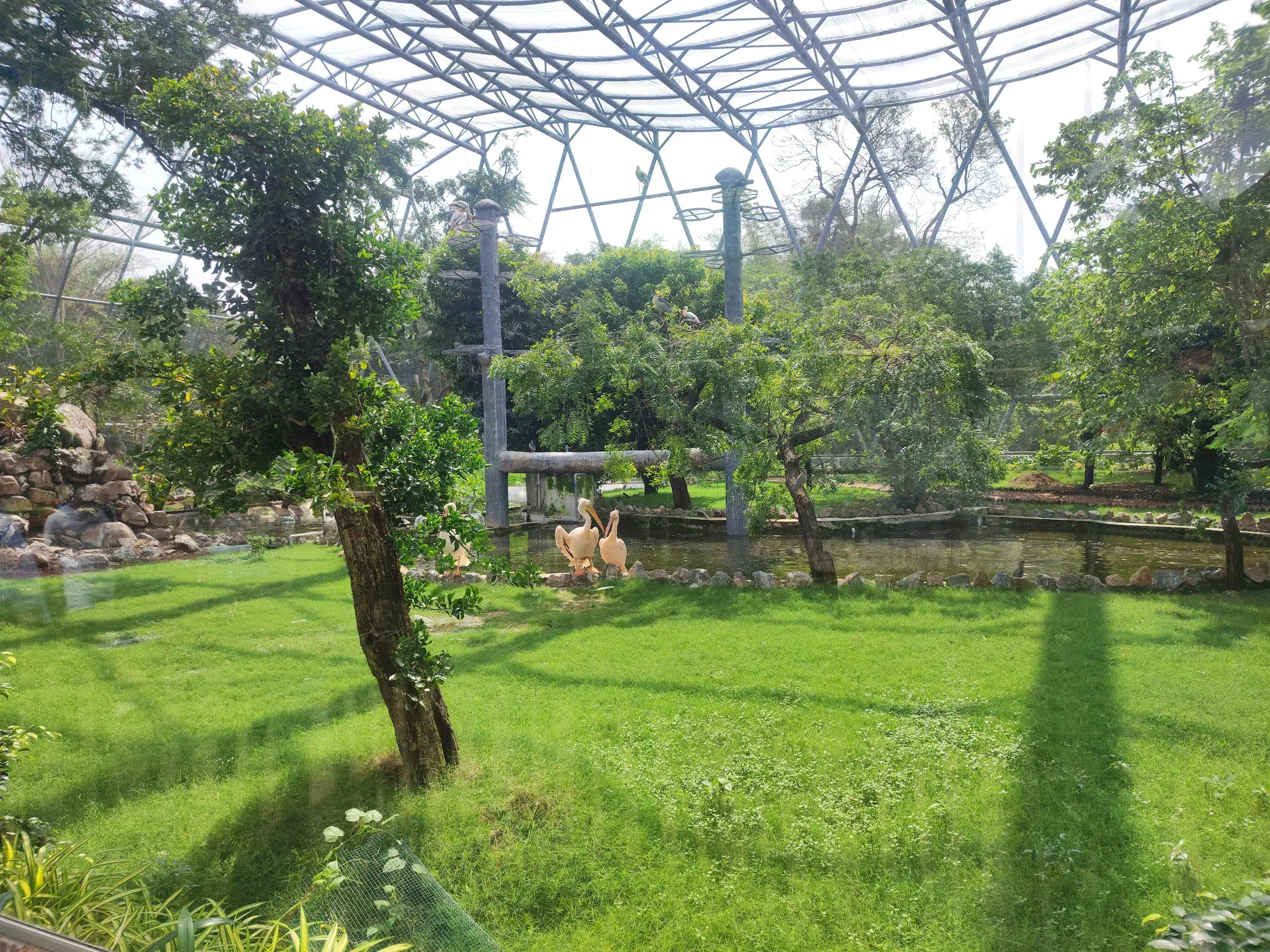
Discover Guindy National Park, Chennai’s urban wildlife oasis. Explore its tropical dry evergreen forest, blackbuck conservation, guided nature walks, and Tamil culture.

Nestled in the heart of Chennai, Tamil Nadu, Guindy National Park is a remarkable urban wildlife sanctuary renowned for its rich biodiversity and conservation efforts. Established in 1976, this compact 2.7 km² park in the bustling city protects rare species like the blackbuck, spotted deer, and a variety of birdlife. Learn about its history, explore guided nature walks, and discover the conservation initiatives that make this tropical dry evergreen forest a unique ecological gem. From bird watching to eco-tourism, Guindy offers an educational adventure for all.
Table of Contents
Quick Facts
- Guindy National Park was established in 1976 in Chennai, Tamil Nadu, covering 2.7 km².
- It protects over 2,000 blackbuck, spotted deer, and jackals in an urban forest setting.
- The park is renowned for its tropical dry evergreen forest, a rare ecosystem in South India.
- Located within Chennai, it’s one of India’s smallest national parks, accessible to urban visitors.
- It hosts over 130 bird species, making bird watching Guindy a key attraction.
- Guided nature walks and eco-tours offer insights into conservation and biodiversity.
- Eco-tourism Guindy National Park promotes sustainable travel with educational programs.
- The best time to visit Guindy is November to March for pleasant weather and wildlife sightings.
- Nearby attractions include Arignar Anna Zoological Park and Marina Beach for cultural and natural exploration.
- The park is part of the Guindy Snake Park and Children’s Park complex, enhancing its appeal.
History of Guindy National Park
The history of Guindy National Park traces back to the 17th century when it was part of the Guindy Lodge, a hunting reserve for British officials. In 1976, it was declared a national park to protect Chennai’s rare tropical dry evergreen forest and its wildlife. Managed by the Tamil Nadu Forest Department, the park has become a model for urban conservation, safeguarding species like the blackbuck and fostering environmental education in a metropolitan setting.
Tamil Culture and Local Traditions
While Guindy National Park is located in urban Chennai, it is surrounded by vibrant Tamil culture that enhances its appeal. The local Tamil community is known for its rich traditions, including classical Bharatanatyam dance, Carnatic music, and intricate kolam art. Visitors can explore nearby cultural centers or interact with local communities to learn about Tamil Nadu’s heritage, which complements the park’s eco-tourism initiatives with an educational glimpse into Chennai’s cultural harmony.
Festivals and Celebrations
Festivals near Guindy National Park reflect Tamil Nadu’s vibrant cultural tapestry. Chennai hosts major events like Pongal, a harvest festival, and Tamil New Year, celebrated with traditional feasts and temple rituals. Nearby cultural sites, such as the Kapaleeshwarar Temple, host festivals like Arupathu Moovar, attracting visitors. These celebrations, especially during November to March, offer educational opportunities to experience Tamil heritage alongside Guindy’s wildlife adventures.
Ecological Importance of Guindy

Guindy National Park is a critical urban ecological hub, preserving a rare tropical dry evergreen forest in Chennai. It supports over 130 bird species, including the Indian eagle-owl and migratory birds, making bird watching Guindy a major draw. The park’s conservation efforts protect endangered blackbuck and spotted deer, while its greenery acts as a vital lung for the city. Guindy’s unique ecosystem contributes to Tamil Nadu’s biodiversity and urban environmental balance.
Financial Perspective and Economic Impact
From a financial perspective, Guindy National Park generates significant economic activity in Chennai. Revenue from entry fees and guided tours supports conservation and local employment. Nearby hotels and eateries benefit from the park’s visitors, while eco-tourism initiatives promote sustainable practices. The park’s accessibility in Chennai drives tourism revenue, especially during November to March, funding infrastructure and wildlife protection in this urban sanctuary.
Role in Indian Tourism
Guindy National Park is a unique gem in Indian tourism, attracting urban explorers, families, and eco-tourists to Chennai. Its guided nature walks and proximity to cultural landmarks like Marina Beach make it a versatile destination. As one of India’s smallest national parks, it offers a rare blend of wildlife and urban accessibility, complementing Tamil Nadu’s tourism circuit alongside sites like Arignar Anna Zoological Park and Mahabalipuram.
Conservation Policies and Initiatives
Guindy National Park’s conservation policies focus on protecting its unique ecosystem and species like the blackbuck. The Tamil Nadu Forest Department enforces anti-poaching measures and habitat restoration, while educational programs at the adjacent Snake Park and Children’s Park raise awareness. Partnerships with NGOs ensure the park’s biodiversity thrives, making Guindy a model for urban conservation and eco-tourism in India.
Unique Attractions and Nearby Sites

Beyond its wildlife, Guindy National Park offers unique attractions. The park’s Snake Park showcases reptiles like the Indian rock python, while the Children’s Park educates young visitors. Nearby, the Raj Bhavan and IIT Madras campus add historical and academic appeal. Combined with Chennai’s cultural sites, Guindy provides a holistic blend of nature, education, and urban exploration.
How to Reach Guindy National Park
How to reach Guindy National Park is straightforward due to its urban location. By road, it’s 12 km from Chennai Central (30 minutes via NH85). The nearest railway station is Guindy (1 km), with connections across India. Chennai International Airport (10 km) offers easy access. Local buses, taxis, and metro (Guindy station) make this Chennai national park highly accessible.
Best Time to Visit Guindy
The best time to visit Guindy is November to March, when the weather is pleasant (20°C–30°C) and ideal for guided nature walks. Winter enhances bird watching Guindy with migratory species, while spring (March–April) showcases vibrant flora. The park remains open year-round, but summers (May–June) can be hot, so plan visits for early mornings.
Guindy National Park Safari Booking
Guindy National Park safari booking involves reserving guided nature walks or group tours via the Tamil Nadu Forest Department website or on-site counters. Tours operate from 9 AM to 5:30 PM, costing ₹20–₹100 per person. Group walks (₹500–₹1,000 for 10 people) cover key areas. Book early for weekends and November to March to explore the park’s wildlife and forest trails.
Wildlife Safari Guindy: What to Expect
A wildlife safari in Guindy involves guided walks through its tropical dry evergreen forest. Visitors can spot blackbuck (over 2,000), spotted deer, and jackals, with guides sharing conservation insights. Bird watching Guindy highlights species like the Indian eagle-owl. Bring binoculars and a camera to capture the park’s urban biodiversity, perfect for an educational experience.
Guindy National Park Hotels and Accommodations
Guindy National Park hotels are abundant in Chennai. Budget options like guesthouses (₹1,000–₹2,000 per night) are available near Guindy, while luxury hotels like ITC Grand Chola (₹8,000–₹15,000) offer comfort. Homestays in Adyar (₹1,500–₹3,000) provide a local experience. Book via platforms like Booking.com for November to March, with many offering park tour packages.
Nearby Attractions: Arignar Anna Zoological Park and Marina Beach
Guindy’s attractions extend to nearby sites. Arignar Anna Zoological Park (15 km) offers diverse wildlife, while Marina Beach (10 km) provides coastal charm. Explore more about this iconic beach at Tamil Nadu Tourism. The Kapaleeshwarar Temple (8 km) showcases Tamil culture. Accessible via Chennai’s metro and taxis, these sites complement Guindy’s nature walks, blending urban and natural exploration.
Tips for a Memorable Visit
- Book guided walks early, especially for weekends and November to March.
- Pack light clothing, comfortable shoes, binoculars, and sunscreen.
- Respect park rules to support eco-tourism Guindy National Park, avoiding littering.
- Visit the Snake Park and Children’s Park for added educational value.
- Check tour timings and weather updates for a smooth visit.
- Explore nearby cultural sites to enhance your Chennai experience.
Papikonda National Park: A Wilderness Jewel in the Eastern Ghats
Dudhwa National Park: Nature’s Masterpiece in Uttar Pradesh
Discover Jim Corbett: India’s First Wildlife Sanctuary




Leave a Reply