
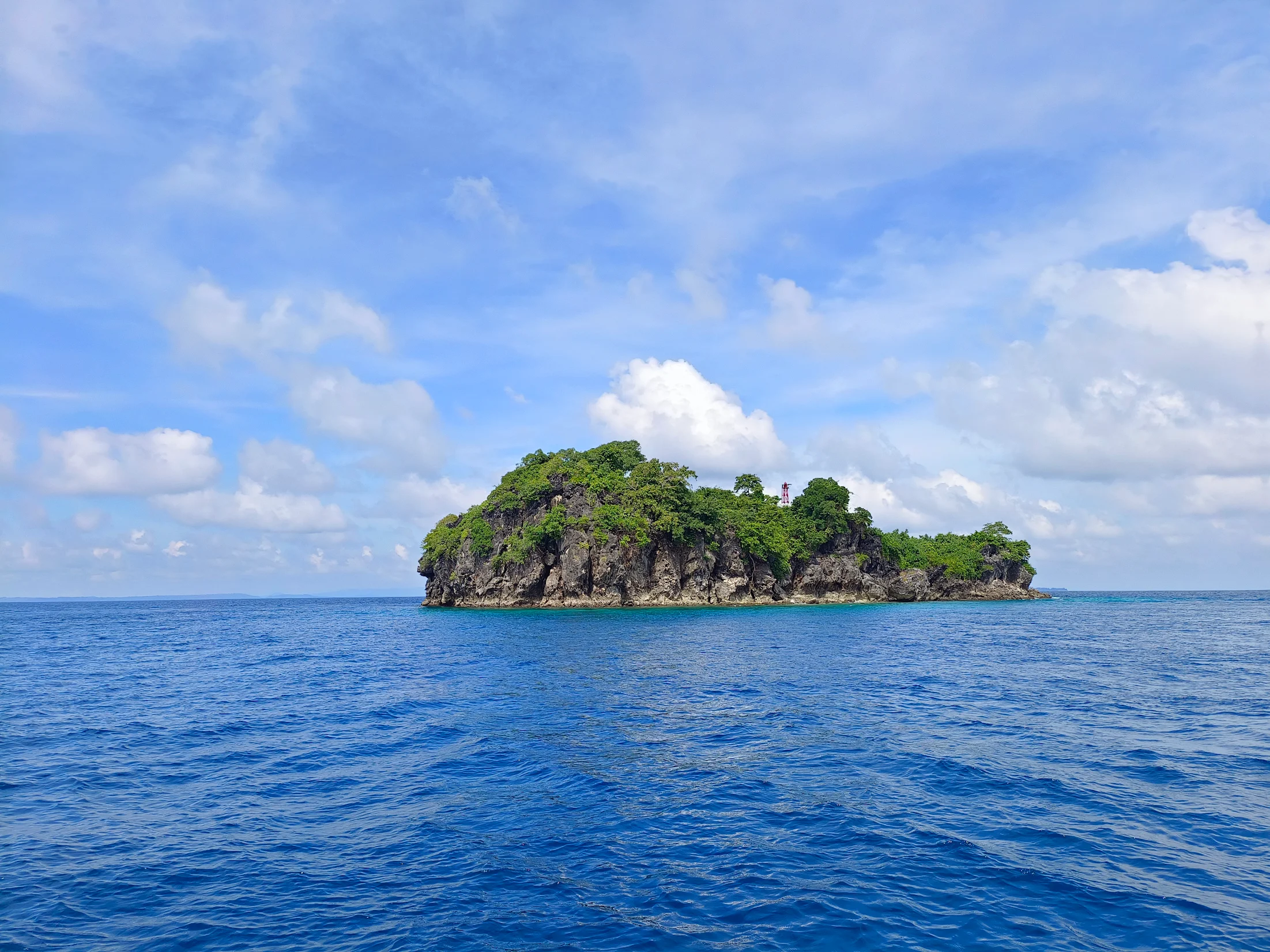
When talking about national parks, size often brings to mind vast forests and expansive grasslands. However, India’s smallest national park completely overturns this idea. South Button Island National Park, located in the Andaman & Nicobar Islands, is the smallest national park in India, yet it holds extraordinary ecological, historical, and cultural importance.

With an area of just around 0.03 square kilometers, South Button Island National Park proves that conservation is not about size, but about significance.
Introduction to South Button Island
South Button Island is part of the Button Islands group in the Andaman Sea. Unlike mainland national parks that protect forests and large mammals, this park is primarily focused on marine and coral reef ecosystems.
Declared a national park in 1987, South Button Island National Park is protected mainly for its rich coral reefs, marine biodiversity, and nesting seabirds.
Historical Background
The history of South Button Island National Park is closely tied to the colonial and maritime history of the Andaman & Nicobar Islands.
- The Andaman Islands were used by the British as a strategic outpost in the Bay of Bengal.
- Many small islands, including the Button Islands, remained largely uninhabited due to their isolation.
- Growing awareness of coral reef destruction and marine exploitation in the 20th century led to conservation efforts.
- In 1987, South Button Island was officially notified as a National Park to safeguard its fragile marine ecosystem.
Unlike mainland parks formed to protect tigers or elephants, this park was created to conserve life beneath the sea.

Geographical Setting
Location
- Union Territory: Andaman & Nicobar Islands
- Sea: Andaman Sea
- Island Group: Button Islands
South Button Island is a tiny, low-lying island surrounded by shallow waters and coral reefs.
Climate
- Tropical maritime climate
- Warm temperatures throughout the year
- High humidity
- Seasonal rainfall influenced by monsoon winds
The surrounding sea plays a vital role in regulating the island’s climate and supporting marine life.
Marine Ecosystem: The Heart of the Park
South Button Island National Park is best known for its pristine coral reefs, which are among the healthiest in the region.
Coral Reefs
The reefs around the island consist of:
- Hard corals
- Soft corals
- Sea fans and sponges
These reefs act as natural barriers against erosion and provide shelter for countless marine species
Marine Life
The waters around South Button Island are teeming with biodiversity, including:
- Reef fish (parrotfish, butterflyfish, angelfish)
- Sea cucumbers and starfish
- Crustaceans such as crabs and lobsters
- Mollusks
The area is also occasionally visited by:
- Sea turtles
- Reef sharks
- Rays
Avian Life: Birds of the Island
Although extremely small, South Button Island serves as an important habitat for seabirds.
Commonly observed birds include:
- Terns
- Gulls
- Frigate birds
The island provides safe resting and nesting grounds, away from human disturbance.
Vegetation and Terrestrial Life
Due to its small size and saline environment, vegetation on South Button Island is limited.
- Coastal shrubs
- Salt-tolerant plants
- Grasses adapted to sandy soils
There are no large land mammals on the island, reinforcing the park’s focus on marine conservation rather than terrestrial wildlife.
Cultural and Human Significance
South Button Island National Park has no permanent human settlement.
However, it holds cultural and economic importance for:
- Indigenous communities of the Andaman region (indirectly, through marine resources)
- Local fishermen, whose activities are now regulated to protect biodiversity
The park symbolizes a shift in Indian conservation policy — from land-based wildlife protection to marine conservation awareness.
Conservation Importance
Despite its size, the park plays a critical role in:
- Protecting coral reefs from damage
- Preserving fish breeding grounds
- Maintaining marine ecological balance
- Acting as an indicator of ocean health
Strict restrictions on tourism and fishing help maintain the fragile ecosystem.
Challenges to the Park
South Button Island National Park faces several environmental challenges:
- Coral bleaching due to rising sea temperatures
- Climate change and sea-level rise
- Pollution from marine debris
- Illegal fishing in the surrounding waters
Because of its tiny size, even minor disturbances can have major impacts.
Why South Button Island National Park Matters
South Button Island National Park reminds us that:
- Marine ecosystems are as important as forests
- Even the smallest protected areas can have immense ecological value
- Conservation must include oceans, not just land
It stands as a powerful example of India’s commitment to marine biodiversity protection.
Conclusion
South Button Island National Park may be the smallest national park in India, but its importance is vast. From vibrant coral reefs to rich marine life, it represents a hidden world beneath the waves.
In an era of climate change and ocean degradation, this tiny island serves as a crucial stronghold for marine conservation — proving that when it comes to nature, size truly doesn’t matter.



Leave a Reply