
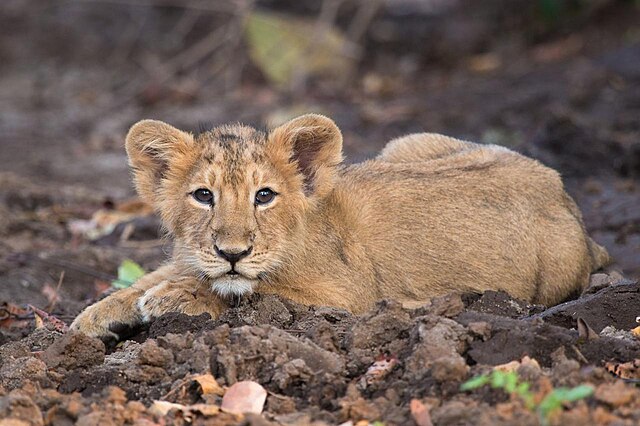
Discover Gir National Park, the last refuge of the Asiatic lion in Gujarat, India.
Explore its rich biodiversity, thrilling jeep safaris, and inspiring conservation story. Plan your visit to this 1,412 sq km sanctuary, home to over 600 lions, diverse wildlife, and vibrant culture.
Table of Contents

Quick Facts About Gir National Park
- Location: Junagadh, Gujarat, India
- Established: 1965
- Area: 1,412 sq km (core area: 258 sq km)
- Main Attraction: Asiatic Lion
- Best Time to Visit: December to March
- Flora: Teak, acacia, banyan, and dry deciduous forests
- Fauna: Asiatic lion, leopard, Indian cobra, chital, sambar, nilgai
- Nearest Airport: Rajkot Airport (160 km)
- Nearest Railway Station: Junagadh (75 km)
Introduction to Gir National Park

Nestled in the vibrant state of Gujarat, India, Gir National Park stands as a beacon of wildlife conservation and biodiversity. Renowned as the last stronghold of the Asiatic lion, this national park spans an impressive 1,412 square kilometers, encompassing a core area of 258 square kilometers designated as a wildlife sanctuary. Established in 1965, Gir National Park has become synonymous with the majestic Asiatic lion, a subspecies that has survived against all odds. This blog takes you on an immersive journey through Gir National Park, exploring its wildlife, conservation efforts, and cultural significance.
Gir National Park is more than just a wildlife reserve; it is a living testament to the success of conservation initiatives and the harmonious coexistence of humans and wildlife. The park’s rugged terrain, interspersed with dry deciduous forests, grasslands, and meandering rivers, creates a picturesque landscape that captivates the senses. Whether you’re drawn by the allure of spotting a lion in the wild, the thrill of a jeep safari, or the chance to explore Gujarat’s rich cultural heritage, Gir National Park offers an experience that is both exhilarating and humbling.
The Majesty of the Asiatic Lion
The crown jewel of Gir National Park is undoubtedly the Asiatic lion (Panthera leo persica), a subspecies distinct from its African counterpart. Once roaming across vast regions of Asia, from the Middle East to northern India, the Asiatic lion faced near extinction in the early 20th century due to rampant hunting and habitat loss. By the early 1900s, their population had plummeted to a mere dozen individuals, confined to the Gir forest. Thanks to relentless conservation efforts spearheaded by the Nawab of Junagadh and later the Gujarat Forest Department, the lion population has rebounded impressively, with recent estimates reporting over 600 lions in and around Gir National Park.
Asiatic lions differ from African lions in several ways. Asiatic lions are slightly smaller, with males weighing between 350 to 420 pounds compared to their African cousins’ 400 to 450 pounds. Their manes are less dense, giving them a sleeker appearance, and they tend to form smaller prides, typically consisting of one or two males, a few females, and their cubs. These prides are territorial, with males fiercely defending their domain. Witnessing an Asiatic lion in Gir National Park is a surreal experience—whether it’s a male lounging under a banyan tree, a female leading her cubs through the underbrush, or a pride feasting on a fresh kill, the sight of these regal creatures in their natural habitat is unforgettable.
The lions’ presence in Gir is not just a draw for tourists but also a symbol of resilience. Their recovery from the brink of extinction underscores the power of collective action in wildlife preservation. Visitors to Gir National Park have the rare privilege of observing these magnificent animals in one of the few places on Earth where they still roam free.
A Biodiversity Hotspot
While the Asiatic lion steals the spotlight, Gir National Park is a treasure trove of biodiversity. The park’s ecosystem supports over 300 species of birds, 37 species of reptiles, and a variety of mammals, making it a paradise for wildlife enthusiasts. Leopards, often elusive and solitary, are the park’s second-largest predator, sharing the landscape with hyenas, jungle cats, and the smaller Indian civet. Herbivores like chital (spotted deer), sambar, nilgai (blue bull), and four-horned antelope graze the grasslands, providing a vital food source for the park’s predators.

The avian diversity in Gir is equally impressive. From the vibrant Indian pitta to the critically endangered white-backed vulture, the park is a birdwatcher’s delight. Raptors like the crested hawk-eagle and the endangered long-billed vulture soar above the canopy, while ground-dwelling birds like the Indian peafowl add bursts of color to the landscape. Reptiles, including the Indian cobra, Russell’s viper, and marsh crocodile, thrive in the park’s rivers and water bodies, adding an element of intrigue to the ecosystem.

The flora of Gir National Park is just as diverse, characterized by dry deciduous forests that dominate the landscape. Teak, acacia, banyan, and flame-of-the-forest trees create a lush canopy, interspersed with thorny shrubs and grasslands. The park’s seven perennial rivers, including the Hiran, Shetrunji, and Datardi, sustain this ecosystem, providing water for wildlife and supporting the growth of vegetation. During the monsoon season, the forest transforms into a verdant paradise, with seasonal streams and waterfalls adding to its scenic beauty.
The Jeep Safari Experience
For most visitors, the highlight of a trip to Gir National Park is the jeep safari, a thrilling way to explore the park’s rugged terrain and encounter its wildlife. Safaris are conducted in open-top jeeps, accompanied by trained naturalists and drivers who are well-versed in the park’s ecology. The park is divided into several zones to manage tourism and minimize disturbance to wildlife, with each zone offering a unique perspective of Gir’s landscapes and inhabitants.
Safaris operate in two slots: early morning (6:00 AM to 9:00 AM) and late afternoon (3:00 PM to 6:00 PM), as these are the times when animals are most active. The early morning slot is particularly popular, offering cooler temperatures and a serene ambiance as the forest awakens. During a safari, you might spot a lion pride resting under a tree, a leopard camouflaged in the foliage, or a herd of chital grazing in the open. The naturalists provide fascinating insights into the behavior and ecology of the park’s inhabitants, making the experience both educational and exhilarating.
Photography enthusiasts will find Gir National Park a haven for capturing stunning images. The golden light of dawn and dusk, combined with the park’s dramatic landscapes and diverse wildlife, creates perfect conditions for photography. However, visitors are advised to follow park guidelines, such as maintaining a safe distance from animals and avoiding flash photography, to ensure the safety of both wildlife and tourists.
Booking a safari in advance is crucial, as permits are limited to maintain sustainable tourism. The official Gir National Park website (managed by the Gujarat Forest Department) allows online bookings, and it’s recommended to reserve your slot at least a month in advance, especially during the peak season from December to March. Each jeep can accommodate up to six passengers, making it an intimate experience that allows for personalized interactions with the guide.
A Conservation Success Story
Gir National Park is not just a destination; it’s a global symbol of successful wildlife conservation. The near-extinction of the Asiatic lion in the early 20th century was a wake-up call for conservationists. The Nawab of Junagadh, recognizing the plight of the lions, declared the Gir forest a protected area in the early 1900s, banning hunting and implementing measures to safeguard the lion population. After India’s independence, the Gujarat Forest Department took over, establishing Gir as a wildlife sanctuary in 1965 and later as a national park.
The conservation efforts in Gir have been multifaceted, involving habitat restoration, anti-poaching measures, and community engagement. The Maldhari, a pastoral community living within and around the park, have played a pivotal role in this success. Traditionally cattle herders, the Maldhari have coexisted with lions for centuries, tolerating occasional livestock predation in exchange for grazing rights in the forest. Their symbiotic relationship with the lions has been instrumental in maintaining the ecological balance of Gir.
Today, the lion population in Gir is thriving, with numbers increasing steadily over the decades. The park’s conservation model has also inspired efforts to create secondary habitats for the lions, such as the proposed relocation to Kuno National Park in Madhya Pradesh, to reduce the risk of a single catastrophic event wiping out the entire population. However, Gir remains the heart of the Asiatic lion’s story, drawing researchers, conservationists, and tourists from around the world.

Best Time to Visit Gir National Park
Timing your visit to Gir National Park is key to maximizing your experience. The park is open to tourists from mid-October to mid-June, with the best time to visit being the winter months of December to March. During this period, temperatures range from 10°C to 25°C, offering pleasant weather for safaris and outdoor exploration. The forest is lush from the recent monsoons, and wildlife sightings are frequent as animals gather around water sources.
The summer months (April to June) can be hot, with temperatures reaching up to 40°C, but this is also a good time for wildlife sightings, as animals congregate near water bodies. The monsoon season (June to October) brings heavy rainfall, transforming the park into a green oasis but making safaris impractical due to muddy trails and flooding. The park remains closed during this period to allow the ecosystem to recover and to ensure visitor safety.
How to Reach Gir National Park
Gir National Park is easily accessible, with multiple transportation options. The nearest airport is Rajkot Airport, approximately 160 km away, which connects to major cities like Mumbai, Delhi, and Ahmedabad. From Rajkot, taxis and buses are available to Sasan Gir, the park’s entry point. The nearest railway station is Junagadh, 75 km away, with regular trains from Ahmedabad, Rajkot, and other cities. For those traveling by road, Sasan Gir is well-connected to Ahmedabad (340 km), Rajkot (160 km), and Junagadh via state highways. Private taxis, rental cars, and state-run buses make the journey convenient.
Sasan Gir offers a range of accommodation options, from budget guesthouses to luxury resorts. Many lodges are located near the park’s entrance, providing easy access to safari starting points. Some resorts also offer guided tours and cultural experiences, enhancing your stay in the region.
Tips for Visiting Gir National Park
To ensure a memorable and responsible visit to Gir National Park, keep the following tips in mind:
- Book Safaris in Advance: Safari permits are limited and in high demand, especially during peak season. Use the official Gir National Park website to secure your slot well in advance.
- Dress for the Wild: Wear neutral-colored clothing (khaki, green, or brown) to blend into the environment and avoid startling animals. Comfortable shoes, hats, and sunglasses are essential for protection from the sun.
- Pack Essentials: Carry sunscreen, insect repellent, a water bottle, and binoculars for a comfortable safari experience. A camera with a good zoom lens is a must for photography enthusiasts.
- Respect Wildlife: Maintain silence during safaris, follow your guide’s instructions, and avoid littering to preserve the park’s pristine environment.
- Stay Safe: Never exit the jeep or venture into restricted areas. Lions and other wildlife are unpredictable, and safety is paramount.
- Plan Your Itinerary: Combine your visit with nearby attractions like Junagadh’s historical sites or the Gir Interpretation Zone for a well-rounded experience.
Cultural and Local Attractions
Gir National Park is surrounded by a rich cultural tapestry that adds depth to your visit. The nearby city of Junagadh, a historical hub, is home to attractions like the Uparkot Fort, a 2,300-year-old citadel with ancient Buddhist caves and stepwells. The Mahabat Maqbara, an architectural marvel with intricate domes and minarets, is another must-visit. The Gir Interpretation Zone at Devalia, a fenced-off area within the park, offers a controlled environment to observe lions, leopards, and other wildlife, making it ideal for those short on time or unable to secure a jungle safari permit.
The Maldhari community, with their unique lifestyle, offers a glimpse into the region’s cultural heritage. Living in small settlements called nesses within the park, the Maldhari herd cattle and buffalo, coexisting peacefully with the lions. Visitors can interact with them (through guided tours) to learn about their traditions, cuisine, and their role in lion conservation. Their stories of living alongside apex predators are both inspiring and humbling.
Sustainable Tourism in Gir
Gir National Park is a model for sustainable tourism, balancing conservation with visitor access. The limited number of safari permits ensures minimal disturbance to wildlife, while eco-friendly practices like waste management and restrictions on plastic use protect the environment. Tourists are encouraged to support local businesses, such as staying at eco-lodges or purchasing handicrafts from the Maldhari and other local communities, to contribute to the region’s economy.
The park’s management also conducts regular awareness programs for visitors, emphasizing the importance of preserving Gir’s delicate ecosystem. By choosing responsible tour operators and adhering to park guidelines, tourists can play a role in ensuring that Gir National Park remains a thriving habitat for future generations.
Wildlife Photography and Research Opportunities
For photographers and researchers, Gir National Park offers unparalleled opportunities. The park’s diverse landscapes—from dense forests to open grasslands—provide stunning backdrops for wildlife photography. The golden hour during early morning safaris is particularly ideal for capturing dramatic shots of lions, leopards, and birds. Professional photographers can opt for special photography safaris, which offer extended time in the park and flexibility in routes (subject to availability).
Researchers studying big cats, conservation biology, or ecology will find Gir a living laboratory. The park collaborates with institutions like the Wildlife Institute of India to monitor lion populations, track their movements, and study their behavior. Visitors interested in conservation can explore the park’s interpretation center at Sasan Gir, which showcases exhibits on the Asiatic lion and the park’s conservation journey.
Culinary Delights of the Region
No visit to Gir National Park is complete without savoring Gujarat’s vibrant cuisine. The region is known for its vegetarian delicacies, such as dhokla (steamed gram flour cakes), thepla (spiced flatbread), and khichdi (lentil-rice dish). Many resorts and local eateries in Sasan Gir serve authentic Gujarati thalis, featuring an array of dishes like kadhi (yogurt curry), undhiyu (mixed vegetable curry), and shrikhand (sweet yogurt dessert). For non-vegetarian options, nearby cities like Junagadh offer coastal-inspired dishes featuring seafood.
Conclusion
Gir National Park is a destination that transcends the ordinary, offering a blend of adventure, conservation, and cultural immersion. The roar of the Asiatic lion, the serenity of its forests, and the warmth of its local communities create an experience that lingers long after your visit. Whether you’re embarking on a safari to spot the king of the jungle, exploring the historical treasures of Junagadh, or learning about the Maldhari’s unique way of life, Gir National Park promises a journey of discovery and wonder.
By visiting Gir National Park, you’re not just exploring a wildlife sanctuary; you’re contributing to the legacy of preserving one of the world’s most iconic species. Plan your trip, pack your binoculars, and get ready to witness the untamed beauty of Gir National Park—a place where nature reigns supreme and the spirit of the Asiatic lion thrives.
Saving the Majestic One Horned Rhino: Conservation Triumphs and Challenges



Leave a Reply