
Introduction
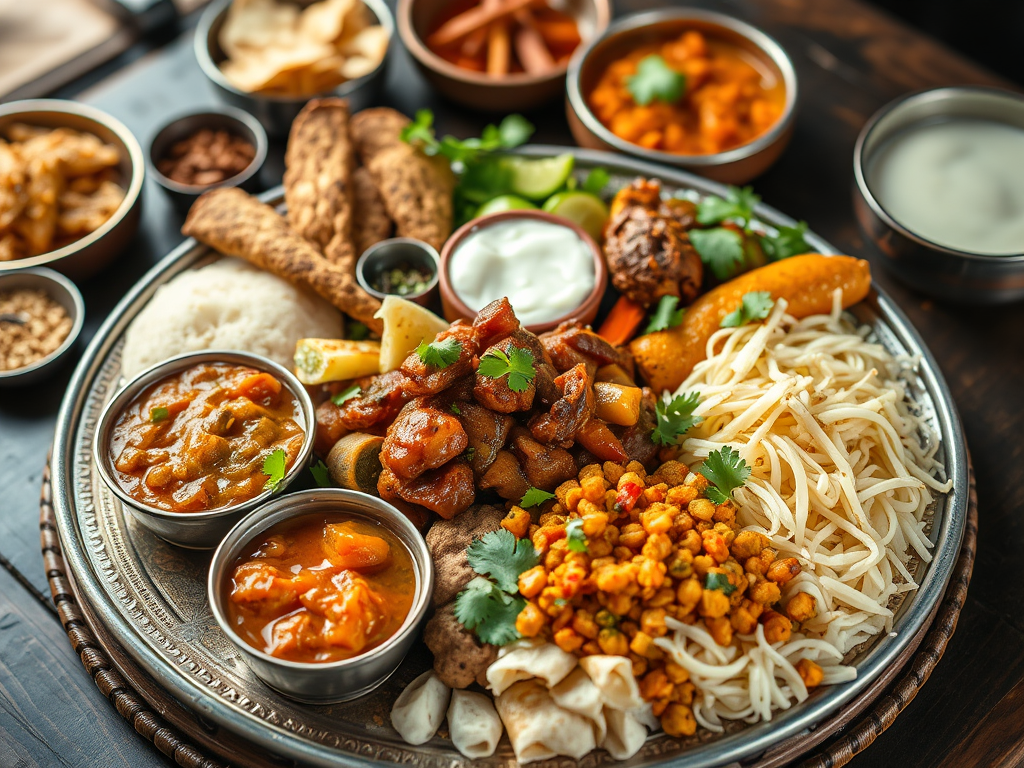
Indian cuisine is a vibrant tapestry of flavors, techniques, and traditions, reflecting the country’s vast cultural, geographical, and historical diversity. Shaped by millennia of agricultural practices, trade, invasions, and regional climates, Indian food varies dramatically across its regions, each offering distinct ingredients, cooking methods, and culinary philosophies. From the spicy curries of South India to the rich gravies of the North, the tandoori delights of the Northwest to the fermented delicacies of the Northeast, Indian cuisine is a celebration of local produce, religious influences, and community identities. This essay provides a comprehensive exploration of the regional variations in Indian cuisine, delving into their historical roots, key ingredients, signature dishes, cultural significance, economic impact, and contemporary challenges.
Historical and Cultural Context
Indian cuisine has evolved over thousands of years, influenced by the Indus Valley Civilization’s agricultural practices (c. 3300–1300 BCE), Vedic culinary traditions, and interactions with Persian, Central Asian, Arab, Portuguese, and British cultures. The Rigveda (c. 1500 BCE) mentions grains like barley and dairy products like ghee, while later texts like the Ayurveda and Charaka Samhita emphasize balanced diets based on regional produce. Trade along the Silk Route and Indian Ocean networks introduced spices, nuts, and fruits, enriching local cuisines. The Mughal Empire (16th–19th centuries) brought Persian techniques like slow-cooking (dum), while colonial powers introduced ingredients like tomatoes, potatoes, and chilies from the New World.
Religion has profoundly shaped Indian cuisine. Hinduism promotes vegetarianism in many communities, Jainism emphasizes non-violence (ahimsa), Islam introduced meat-based dishes like biryani, and Sikhism fosters communal dining (langar). Regional climates—tropical in the south, arid in the west, Himalayan in the north—dictate ingredient availability, while festivals and rituals add seasonal specialties. The diversity of India’s 22 official languages and over 19,500 dialects further enriches culinary nomenclature and traditions.
Regional Variations in Indian Cuisine
Indian cuisine can be explored through its major geographical regions—North, South, East, West, Northeast, and Central India—each with unique flavors, techniques, and cultural contexts.
1. North India: Rich and Robust
North Indian cuisine, encompassing Uttar Pradesh, Punjab, Haryana, Himachal Pradesh, Jammu & Kashmir, and Delhi, is characterized by creamy gravies, tandoori cooking, and wheat-based breads, influenced by Mughal, Persian, and Central Asian traditions.
- Key Ingredients: Wheat (atta), dairy (ghee, paneer, curd), lentils (dal), spices (cumin, coriander, garam masala), onions, tomatoes, and meats (chicken, mutton). Kashmir uses saffron, walnuts, and dried fruits.
- Signature Dishes:
- Butter Chicken (Punjab): A Mughal-inspired dish of tandoor-roasted chicken in a creamy tomato-butter sauce, served with naan or kulcha.
- Dal Makhani (Punjab): Slow-cooked black lentils and kidney beans with butter and cream, flavored with garlic and garam masala.
- Rogan Josh (Kashmir): Aromatic mutton curry with yogurt, saffron, and Kashmiri chilies, reflecting Persian influences.
- Chole Bhature (Punjab): Spiced chickpeas paired with deep-fried bread (bhature), a popular street food.
- Aloo Paratha (North India): Whole-wheat flatbread stuffed with spiced potatoes, served with curd and pickle.
- Cooking Techniques: Tandoor (clay oven) roasting for meats and breads, slow-cooking for gravies, and tempering (tadka) for dals. Kashmir’s wazwan involves multi-course feasts.
- Cultural Context: North Indian cuisine is tied to festivals like Diwali (sweets like kheer, laddoo) and Baisakhi (sarson da saag with makki di roti). Mughal dishes dominate urban centers like Delhi, while rustic Punjabi food thrives in rural areas. Kashmiri cuisine blends Hindu and Muslim traditions.
2. South India: Spicy and Coconut-Infused
South Indian cuisine, covering Tamil Nadu, Karnataka, Andhra Pradesh, Telangana, Kerala, and Puducherry, is known for its spicy, tangy flavors, rice-based staples, and extensive use of coconut, influenced by Dravidian traditions and coastal trade.
- Key Ingredients: Rice, lentils, coconut (milk, oil, grated), tamarind, curry leaves, mustard seeds, dried chilies, and seafood (in coastal areas). Kerala uses black pepper and cardamom.
- Signature Dishes:
- Dosa and Idli (Tamil Nadu, Karnataka): Fermented rice-lentil pancakes (dosa) or steamed cakes (idli), served with sambar (lentil stew) and coconut chutney.
- Hyderabadi Biryani (Telangana): A fragrant rice dish layered with spiced meat, saffron, and mint, reflecting Mughal-Nizami influences.
- Fish Curry (Kerala): Coconut milk-based curry with fish, tamarind, and Malabar spices, served with appam (rice pancake).
- Rasam (Tamil Nadu): A spicy, tangy soup with tamarind, tomatoes, and pepper, often a digestive aid.
- Pongal (Tamil Nadu): A rice-lentil dish cooked with jaggery (sweet pongal) or spices (ven pongal), central to the Pongal festival.
- Cooking Techniques: Steaming (idli, puttu), fermentation (dosa batter), tempering with mustard seeds and curry leaves, and coconut-based gravies. Andhra cuisine uses intense chili heat.
- Cultural Context: South Indian cuisine is tied to temple offerings (prasad) and festivals like Onam (sadhya feast in Kerala) and Ugadi (pachadi). Vegetarianism dominates Tamil Nadu and Karnataka, while Kerala and Andhra include seafood and meat. Coffee is a cultural staple.
3. East India: Subtle and Diverse
Eastern Indian cuisine, including West Bengal, Odisha, Bihar, Jharkhand, and Assam, emphasizes fish, rice, and subtle flavors, shaped by riverine geography and Bengali refinement.
- Key Ingredients: Rice, fish (hilsa, rohu), mustard oil, poppy seeds, panch phoran (five-spice blend), jaggery, and green vegetables. Assam uses bamboo shoots and fermented foods.
- Signature Dishes:
- Hilsa Fish Curry (West Bengal): Hilsa cooked in mustard oil with turmeric and green chilies, a Bengali delicacy.
- Rosogolla (West Bengal): Spongy cottage cheese balls soaked in sugar syrup, a globally iconic dessert.
- Litti Chokha (Bihar): Roasted wheat balls (litti) stuffed with sattu (roasted gram flour), served with mashed vegetables (chokha).
- Pakhala Bhata (Odisha): Fermented rice soaked in water, paired with fried vegetables or fish, ideal for hot climates.
- Pork with Bamboo Shoot (Assam): A tangy dish with pork, bamboo shoots, and bhut jolokia (ghost chili), reflecting tribal influences.
- Cooking Techniques: Steaming fish in banana leaves, frying in mustard oil, and using minimal spices for subtle flavors. Odisha’s temple cuisine avoids onions and garlic.
- Cultural Context: Bengali cuisine is celebrated during Durga Puja with bhog (offerings like khichuri). Odisha’s mahaprasad at Jagannath Temple is a communal feast. Assam’s cuisine reflects tribal and Ahom heritage, with tea as a cultural emblem.
4. West India: Sweet and Savory
Western Indian cuisine, encompassing Gujarat, Maharashtra, Goa, and Rajasthan, balances sweet, sour, and spicy flavors, influenced by arid climates, maritime trade, and Jain vegetarianism.
- Key Ingredients: Millets (bajra, jowar), gram flour, jaggery, peanuts, coconut, and seafood (Goa). Rajasthan uses dairy and dried spices; Gujarat avoids garlic and onions.
- Signature Dishes:
- Dhokla (Gujarat): Steamed fermented gram flour cakes, garnished with mustard seeds and coriander, a light snack.
- Vada Pav (Maharashtra): A spiced potato patty in a bun, Mumbai’s iconic street food, served with chutneys.
- Pork Vindaloo (Goa): A fiery pork curry with vinegar and chilies, reflecting Portuguese influence.
- Dal Baati Churma (Rajasthan): Lentil curry with baked wheat balls (baati) and sweetened crushed wheat (churma), suited to arid climates.
- Thepla (Gujarat): Spiced flatbread with fenugreek or sesame, a travel-friendly snack.
- Cooking Techniques: Steaming (dhokla), roasting (baati), and slow-cooking for gravies. Goan cuisine uses vinegar and coconut milk; Rajasthani dishes maximize scarce water.
- Cultural Context: Gujarat’s vegetarian cuisine is tied to Jainism and festivals like Navratri (farsan snacks). Maharashtra’s coastal and inland cuisines converge during Ganesh Chaturthi (modak). Goa’s Christian heritage shines in Christmas feasts (bebinca).
5. Northeast India: Fermented and Tribal
Northeast Indian cuisine, covering Assam, Arunachal Pradesh, Meghalaya, Manipur, Mizoram, Nagaland, Sikkim, and Tripura, is characterized by fermented foods, smoked meats, and minimal spices, reflecting tribal and Himalayan influences.
- Key Ingredients: Rice, bamboo shoots, fermented soy (kinema), pork, fish, bhut jolokia, and wild herbs. Sikkim uses yak milk and cheese.
- Signature Dishes:
- Smoked Pork with Axone (Nagaland): Pork cooked with fermented soybean paste (axone), a Naga staple.
- Thukpa (Sikkim): A Tibetan noodle soup with vegetables or meat, ideal for cold climates.
- Fish Tenga (Assam): A tangy fish curry with tomatoes and elephant apple (ou tenga).
- Eromba (Manipur): A spicy mash of boiled vegetables, fermented fish (ngari), and chilies.
- Galho (Nagaland): A rice porridge with greens and smoked meat, a Naga comfort food.
- Cooking Techniques: Smoking, fermenting, and boiling with minimal oil. Bamboo tubes are used for cooking rice and meat.
- Cultural Context: Northeast cuisine is tied to tribal festivals like Hornbill (Nagaland) and Losar (Sikkim). Communal dining and rice beer (apong) are integral. The region’s isolation preserved unique culinary traditions.
6. Central India: Rustic and Tribal
Central Indian cuisine, including Madhya Pradesh, Chhattisgarh, and parts of Uttar Pradesh, blends rustic Hindu and tribal flavors, using local grains and forest produce.
- Key Ingredients: Millets, wheat, lentils, maize, forest greens, and game meat. Bhopal’s cuisine includes Mughal influences.
- Signature Dishes:
- Poha (Madhya Pradesh): Flattened rice with onions, peanuts, and spices, a breakfast staple.
- Bhutte ka Kees (Madhya Pradesh): Grated corn cooked with milk and spices, a monsoon delicacy.
- Kusli (Chhattisgarh): Deep-fried dumplings stuffed with coconut and jaggery, a festive sweet.
- Bhuna Gosht (Bhopal): Slow-cooked mutton with Mughal spices, reflecting Nawabi heritage.
- Cooking Techniques: Roasting, grilling, and minimal spicing. Tribal dishes use forest herbs and wood-fired cooking.
- Cultural Context: Central Indian cuisine is tied to festivals like Teej (malpua) and tribal fairs (Bastar Dussehra). Bhopal’s Muslim cuisine adds biryanis and kebabs.
Cultural Significance and Traditions
Indian cuisine is deeply intertwined with culture, religion, and community:
- Religious Influences: Hindu vegetarianism shapes Gujarat and South India, while Jain satvik cuisine avoids root vegetables. Islamic dishes like haleem are Ramadan staples, and Sikh langar offers free meals like dal and roti.
- Festivals: Diwali features sweets (gulab jamun), Eid includes sheer khurma, and Onam showcases sadhya. Harvest festivals like Pongal and Baisakhi highlight rice and wheat dishes.
- Rituals and Symbolism: Food offerings (prasad) in temples, like Tirupati’s laddoo, are sacred. Ayurvedic principles guide balanced diets, with spices like turmeric for health.
- Community Bonding: Communal feasts (bhoj) during weddings and festivals strengthen social ties. Street food culture, from pani puri to vada pav, fosters urban camaraderie.
Economic and Global Impact
Indian cuisine drives economic activity and global influence:
- Agriculture and Trade: India’s spice exports (pepper, cardamom) and rice production support millions of farmers. The spice trade, historically linked to the Silk Route, continues via ports like Kochi.
- Food Industry: Restaurants, from roadside dhabas to fine-dining venues, employ millions. Brands like Amul (dairy) and Patanjali (spices) dominate markets.
- Tourism: Culinary tours in Delhi, Kerala, and Rajasthan attract food enthusiasts. Festivals like Durga Puja boost food stalls.
- Global Reach: Indian restaurants in the UK, USA, and Middle East popularize dishes like butter chicken and biryani. The diaspora celebrates festivals with traditional sweets, sustaining culinary heritage. Indian cuisine’s global market was valued at $1.2 trillion in 2023, per industry reports.
- Media and Pop Culture: Cookbooks, shows like MasterChef India, and social media (#IndianFood) amplify Indian cuisine’s appeal.
Contemporary Challenges
Indian cuisine faces several challenges:
- Health Concerns: High-calorie dishes (butter chicken, gulab jamun) contribute to obesity and diabetes. Awareness of healthier options, like millets, is growing.
- Food Safety: Street food hygiene issues, like contaminated pani puri, pose risks. Regulatory enforcement is uneven.
- Globalization: Fast food chains threaten traditional eateries, though regional chains like Saravana Bhavan thrive.
- Sustainability: Overuse of water-intensive crops (rice) and chemical fertilizers impacts ecosystems. Organic farming and local sourcing are gaining traction.
- Cultural Dilution: Fusion cuisine, like tikka masala pizza, risks overshadowing authentic recipes, though purists advocate for tradition.
Preservation Efforts
- Culinary Schools: Institutes like the Culinary Academy of India train chefs in regional techniques.
- Festivals and Events: Food festivals, like Chennai’s Madras Food Fest, promote local cuisines.
- Documentation: Cookbooks and blogs archive recipes, while NGOs support tribal food traditions.
- Sustainable Practices: Initiatives like Zero-Waste Kitchens in Kerala reduce food waste.
Challenges in Studying Indian Cuisine
Studying Indian cuisine requires navigating diverse sources:
- Textual Records: Ancient texts (Manasollasa, Nimatnama) and colonial accounts offer insights but are limited to elite cuisines.
- Oral Traditions: Tribal and rural recipes rely on unwritten knowledge, posing documentation challenges.
- Regional Diversity: Variations in dishes (e.g., biryani across regions) require localized study.
- Modern Influences: Fusion and globalized cuisines complicate historical reconstructions.
Conclusion
The cuisine of India, with its regional variations, is a culinary mosaic that reflects the nation’s cultural richness, historical depth, and geographical diversity. From the creamy gravies of North India to the fiery curries of the South, the subtle fish dishes of the East to the fermented flavors of the Northeast, each region contributes unique tastes and traditions. Indian cuisine fosters community, drives economies, and captivates global palates, while its ties to festivals, religion, and Ayurveda underscore its cultural significance. Despite challenges like health concerns and globalization, preservation efforts ensure its legacy. Indian cuisine remains a dynamic force, uniting diverse communities and showcasing India’s enduring culinary artistry to the world.




Leave a Reply