
Introduction
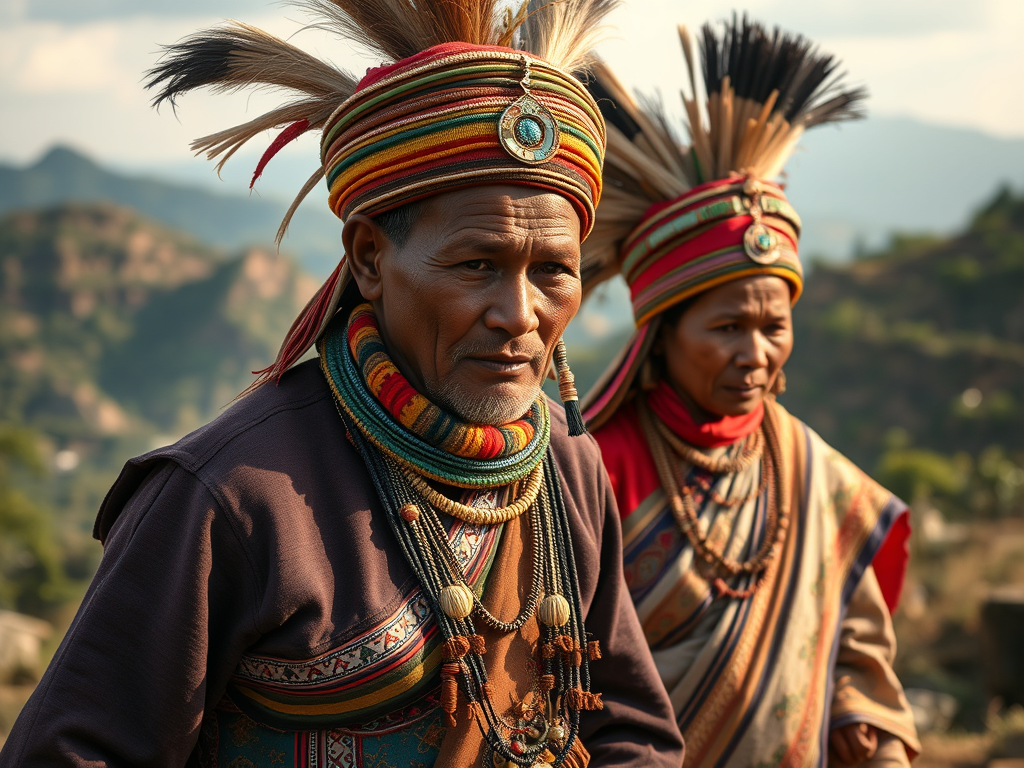
Northeast India, comprising eight states—Arunachal Pradesh, Assam, Manipur, Meghalaya, Mizoram, Nagaland, Sikkim, and Tripura—is a region of extraordinary cultural diversity, often referred to as the “Seven Sisters” with Sikkim as the “Brother.” Home to over 200 indigenous tribes, this region is a vibrant mosaic of ethnic groups, languages, traditions, and lifestyles. These tribes, largely of Indo-Mongoloid, Tibeto-Burman, and Austroasiatic descent, have preserved their distinct identities despite historical migrations, colonial influences, and modern challenges. Their cultures are shaped by the region’s rugged terrain, lush forests, and riverine valleys, fostering unique practices in agriculture, craftsmanship, religion, and social organization. This essay explores the tribal cultures of Northeast India, focusing on their historical origins, social structures, cultural practices, economic activities, and contemporary challenges.
Historical and Geographical Context
Northeast India’s tribal cultures trace their origins to ancient migrations from Southeast Asia, Tibet, Myanmar, and southern China, occurring over 3,000 years ago. Archaeological evidence suggests early settlers included Austroasiatic speakers, followed by Tibeto-Burman and Indo-Aryan groups, with some Kra-Dai and Tai communities arriving later. The region’s isolation, due to the Himalayan ranges and the narrow Siliguri Corridor, preserved its cultural distinctiveness, making it a transition zone between South and Southeast Asia. Ancient texts like the Mahabharata and Ramayana refer to the region as Pragjyotisha and Kamrupa, indicating its historical significance.
The British colonial era (19th century) marked significant changes, integrating many hill tribes into administrative structures while categorizing areas as “Excluded” or “Partially Excluded” to limit external influence. Missionaries introduced Christianity, particularly among Naga, Mizo, and Kuki tribes, creating an educated elite that later demanded autonomy. Post-independence, the region was reorganized into states based on ethnic and tribal identities, unlike the linguistic basis used elsewhere in India. Today, the North Eastern Council (NEC), established in 1971, oversees development, with Guwahati as the region’s gateway.
Major Tribes and Their Cultural Practices
Northeast India hosts over 220 ethnic groups, with at least 160 Scheduled Tribes recognized under the Sixth Schedule of the Indian Constitution. Below is an overview of key tribes and their cultural practices across the eight states.
1. Arunachal Pradesh: Land of Diverse Tribes
Arunachal Pradesh, the “Land of Dawn-Lit Mountains,” is home to 26 major tribes, including the Adi, Nyishi, Monpa, Apatani, and Mishmi, speaking Tibeto-Burman languages like Adi, Nishi, and Monpa.
- Adi Tribe: Known for their Donyi-Polo religion (worship of sun and moon deities), the Adi practice wet rice cultivation and celebrate the Solung festival with dances and rice beer (apong). Their social structure includes village councils led by elders.
- Nyishi Tribe: The largest tribe, Nyishis are skilled agriculturists practicing jhum (slash-and-burn) cultivation. Men wear distinctive cane headgear, and their Nyokum festival honors ancestors.
- Apatani Tribe: Residing in Ziro Valley, Apatanis are renowned for sustainable wet rice cultivation, proposed for UNESCO Heritage status. Women traditionally wore nose plugs and facial tattoos to deter rival tribes.
- Cultural Practices: Festivals like Myoko showcase folk dances and agricultural rituals. Bamboo and cane crafts, including baskets and headgear, are integral to their economy.
2. Assam: Ethnic Mosaic
Assam, with over 30 tribal groups, including Bodo, Mising, Karbi, and Deori, is a cultural hub in the Brahmaputra Valley.
- Bodo Tribe: The largest indigenous group, Bodos introduced rice cultivation, tea plantations, and silkworm rearing. Their cuisine features rice with pork or fish, and Zu Mai (rice wine) is a traditional drink. Women weave Dokhona dresses, and the Bohag Bihu festival includes vibrant dances.
- Mising Tribe: Originally hill tribes from Arunachal, Misings settled along the Brahmaputra, practicing rice farming and weaving. Their Ali-Aye-Ligang festival celebrates harvests with rice beer and dances.
- Karbi Tribe: Of Tibeto-Burman origin, Karbis in Karbi Anglong practice jhum cultivation and celebrate Rongker with traditional music. Their oral folklore preserves migration histories from Central Asia.
- Cultural Practices: Assam’s silk industry, particularly Mekhela Chador, is a tribal contribution. The Majuli Festival showcases multi-ethnic dances like Bihu and Sattriya, a classical dance form.
3. Meghalaya: Matrilineal Societies
Meghalaya’s Khasi, Garo, and Jaintia tribes are known for matrilineal systems, where women inherit property and children take the mother’s clan name.
- Khasi Tribe: Occupying nearly half of Meghalaya’s population, Khasis follow a matrilineal system where the youngest daughter inherits property. Their Nongkrem dance festival and Seng Khasi religion emphasize nature worship. Dance is central to Khasi life.
- Garo Tribe: Residing in Garo Hills, Garos practice matrilineality and celebrate Wangala, a harvest festival with drum-based dances. Their weaving includes colorful Dakmanda attire.
- Jaintia Tribe: Part of the Hynniewtrep people, Jaintias share Khasi customs but have distinct dialects. Their Behdienkhlam festival involves ritualistic dances.
- Cultural Practices: Meghalaya’s living root bridges, crafted by Khasi and Jaintia tribes, are engineering marvels. Bamboo crafts and Assam silk weaving are economic staples.
4. Nagaland: Warrior Traditions
Nagaland’s 17 tribes, including Angami, Konyak, Ao, and Sumi, are known for their warrior heritage and linguistic diversity, with each tribe speaking distinct dialects.
- Angami Tribe: Politically influential, Angamis practice Christianity (98%) but retain animist traditions. Their Sekrenyi festival purifies the community through rituals. Rice cultivation on terraced hills is their mainstay.
- Konyak Tribe: Once headhunters, Konyaks in Mon district are known for facial tattoos and the Aoleang festival. Their Konyak Union advocates for peace and cultural preservation.
- Ao Tribe: Early adopters of Christianity, Aos celebrate Moatsu with feasts and dances. Their Tsungkotepsu shawl signifies social status.
- Cultural Practices: The Hornbill Festival unites all tribes, showcasing dances, crafts, and traditional attire like shawls and headgear. Weaving and woodcarving are key crafts.
5. Manipur: Diverse Ethnicities
Manipur’s Meitei, Naga, Kuki, and Hmar tribes reflect a blend of lowland and highland cultures.
- Meitei Tribe: The majority group, Meiteis practice Hinduism and are known for the Manipuri Raas Leela, a classical dance. Their cuisine includes rice and fish dishes like Eromba.
- Kuki Tribe: Scattered across Northeast states, Kukis are Christian and celebrate Chavang Kut with dances. Their attire includes colorful shawls.
- Hmar Tribe: Migrated from China, Hmars adopted Christianity in 1910, influencing their education and culture. Their weaving includes intricate patterns.
- Cultural Practices: Manipur’s Thang-ta martial art and Lai Haraoba festival reflect tribal heritage. Bamboo crafts and pottery are economic activities.
6. Mizoram: Mizo Dominance
Mizos, comprising 73% of Mizoram’s population, are Tibeto-Burman and predominantly Christian.
- Mizo Tribe: Known for the Cheraw (bamboo) dance and Tlawmngaihna (community service) code, Mizos celebrate Chapchar Kut with feasts. Their cuisine features rice with pork or fish.
- Cultural Practices: Mizos excel in bamboo crafts and weaving, producing shawls and baskets. Their Kut festivals highlight agricultural cycles.
7. Tripura: Tripuri Legacy
Tripura’s 19 tribes, led by the Tripuri, are of Indo-Mongoloid origin.
- Tripuri Tribe: Practicing Hinduism, Tripuris speak Kok-Borok and celebrate Garia with dances. Their weaving includes Rignai skirts.
- Reang Tribe: A primitive tribe, Reangs practice jhum cultivation and celebrate Hojagiri with acrobatic dances.
- Cultural Practices: The Tripura State Tribal Museum preserves artifacts like bamboo crafts and traditional weapons.
8. Sikkim: Bhutia and Lepcha
Sikkim’s Bhutia, Lepcha, and Nepali communities blend Tibetan and indigenous cultures.
- Bhutia Tribe: Migrated from Tibet, Bhutias practice Tantric Buddhism and wear Bakhu gowns. Their Losar festival marks the Tibetan New Year.
- Lepcha Tribe: Indigenous to Sikkim, Lepchas worship nature and celebrate Tendong Lho Rum Faat. Their Chi (millet beer) is a cultural staple.
- Cultural Practices: Sikkim’s Pang Lhabsol festival honors Mount Kanchenjunga. Bamboo and wood crafts are prevalent.
Social Organization and Kinship
Tribal societies in Northeast India are organized around clans, villages, and kinship, with distinct systems:
- Clan and Kinship: Clans regulate social behavior, with endogamous tribes (marriage within the tribe) and exogamous clans (no marriage within a clan). Most tribes are patrilineal, except Khasi and Garo, which are matrilineal. Clan members support weaker individuals, like orphans or widows, acting as extended families.
- Village Administration: Village councils, comprising elders, hold judicial powers. Women, even in matrilineal tribes, rarely participate in decision-making, as seen in the Khasi saying, “War and politics for men, property and children for women”. Tribal democracy avoids majority rule, valuing consensus.
- Youth Dormitories: Traditional dormitories (morung among Nagas, dhumkuria among Oraons) trained youth in social, cultural, and leadership skills. Though declining, they remain active among some tribes like the Muria Gond in Chhattisgarh.
Economic Activities
Tribal economies are primarily agrarian, with additional crafts and trade:
- Agriculture: Jhum cultivation is widespread, especially in hilly areas, though Apatanis practice sustainable wet rice farming. Bodos pioneered tea plantations and poultry farming.
- Crafts: Weaving is universal, with Bodo Dokhona, Naga shawls, and Mizo Puan showcasing intricate designs. Bamboo and cane crafts, pottery, and woodcarving support local economies.
- Trade: Tribes like Sherdukpens engage in trade, while Assam’s silk industry (Mekhela Chador) is globally renowned.
Religion and Beliefs
Tribal religions range from animism to organized faiths:
- Indigenous Beliefs: Many tribes, like Adi (Donyi-Polo), Lepcha, and Khasi (Seng Khasi), practice nature worship, venerating sky gods or ancestors. Dreams guide decisions, reflecting self-reliance.
- Christianity: Dominant among Naga, Mizo, and Kuki tribes due to missionary influence since the 19th century. Over 90% of Nagas are Christian.
- Hinduism and Buddhism: Tripuris and Meiteis practice Hinduism, while Bhutias follow Tantric Buddhism.
- Syncretism: Some tribes blend indigenous beliefs with Christianity or Hinduism, creating unique practices.
Festivals and Performing Arts
Festivals are central to tribal identity, celebrating harvests, new years, and rituals:
- Key Festivals: Nagaland’s Hornbill Festival, Assam’s Bohag Bihu, Meghalaya’s Wangala, Arunachal’s Myoko, and Mizoram’s Chapchar Kut showcase dances, music, and traditional attire.
- Dance and Music: Dances like Bihu, Cheraw, Naga, and Hojagiri are accompanied by folk songs (Borgeet, Luko Geet) and instruments like drums and bamboo flutes. Sattriya and Manipuri Raas Leela are classical forms.
- Attire and Crafts: Festivals display colorful attire, such as Naga shawls, Khasi Jainsem, and Bodo Dokhona, often handwoven with symbolic patterns.
Contemporary Challenges
Tribal cultures face several challenges:
- Assimilation and Migration: In Tripura, tribal populations declined from 64% in 1874 to 28% in 1981 due to Bengali migration, sparking tensions. Naga demands for Greater Nagalim reflect resistance to assimilation.
- Ethnic Conflicts: Manipur’s 2023 violence over Meitei tribal status highlights competing claims. Historical headhunting and territorial disputes persist in modern forms.
- Development and Ecology: Jhum cultivation strains forests, while infrastructure projects threaten biodiversity. Sustainable practices, like Apatani farming, are promoted.
- Cultural Erosion: Globalization and Christianization risk diluting indigenous practices, though festivals and museums preserve heritage.
- Political Autonomy: The Sixth Schedule grants autonomy to tribal areas, but separatist movements in Nagaland and Mizoram demand greater control.
Preservation Efforts
- Government Initiatives: The NEC and tribal museums promote development and cultural preservation.
- Tourism: Eco-tourism and festivals like Hornbill attract global interest, supporting local economies.
- Education and Research: Anthropologists and NGOs document oral traditions and crafts, while homestays like NotOnMap’s Nagaland Community Stay foster cultural exchange.
Conclusion
The tribal cultures of Northeast India are a testament to the region’s rich heritage and resilience. From the matrilineal Khasis to the warrior Nagas, the agricultural Bodos to the Buddhist Bhutias, each tribe contributes unique traditions, languages, and practices to India’s cultural tapestry. Their festivals, crafts, and social systems reflect deep connections to nature and community, while their histories reveal adaptability amid migrations and colonial upheavals. Despite challenges like assimilation, conflict, and ecological pressures, preservation efforts through festivals, tourism, and documentation ensure these cultures thrive. Northeast India’s tribes remain a vibrant symbol of diversity, offering lessons in sustainability, communal harmony, and cultural pride for the world.



Leave a Reply