
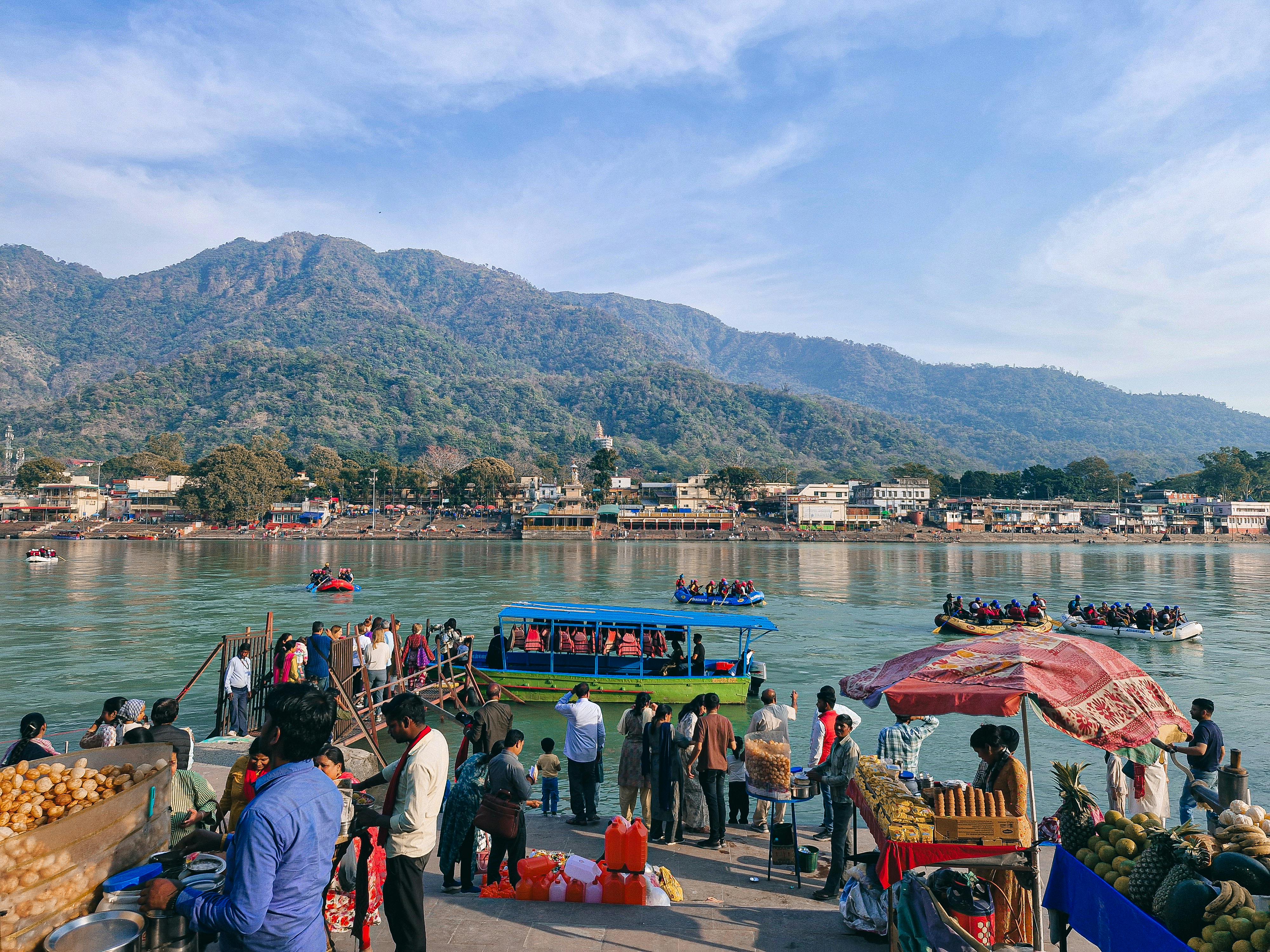
Immerse in the sacred rivers of Indian culture—from the majestic Ganges to the mystical Saraswati—that symbolize divine purification, ancient legends, and spiritual rebirth. Uncover their profound rituals, pilgrimages, and timeless role in Hindu heritage for an enlightening journey.
Table of Contents
Introduction
Rivers in India are not merely geographical features; they are revered as divine entities, embodying spiritual, cultural, and ecological significance. Woven into the fabric of Indian civilization for millennia, sacred rivers like the Ganga, Yamuna, Godavari, Narmada, Kaveri, Saraswati, and Krishna are central to religious practices, mythology, literature, and daily life. These rivers are personified as goddesses, worshipped for their life-giving properties, and serve as pilgrimage sites, cultural hubs, and economic lifelines. The reverence for rivers reflects India’s deep-rooted connection to nature, spirituality, and community, shaping its historical, social, and environmental narratives. This essay provides a comprehensive exploration of the sacred rivers in Indian culture, delving into their mythological origins, religious significance, cultural roles, ecological importance, regional diversity, and contemporary challenges.
Historical and Mythological Context
The sanctity of rivers in Indian culture traces back to the Vedic period (c. 1500–500 BCE), when hymns in the Rigveda extolled rivers as divine mothers nourishing the land and people. The Puranas, Mahabharata, and Ramayana further enriched river mythology, portraying them as goddesses with celestial origins. Rivers were seen as conduits between the earthly and divine realms, purifying sins and granting spiritual liberation (moksha). The concept of tirtha (sacred crossing or pilgrimage site) emerged, with riverbanks becoming centers for rituals, temples, and festivals.

India’s rivers also played a pivotal role in its historical development. The Indus Valley Civilization (c. 3300–1300 BCE) thrived along the Indus and Saraswati rivers, while the Gangetic plain, nurtured by the Ganga and Yamuna, supported the rise of kingdoms like Magadha and urban centers like Pataliputra. The sacred rivers facilitated agriculture, trade, and cultural exchange, shaping India’s economic and social landscape.
Major Sacred Rivers and Their Significance
India’s sacred rivers, each associated with distinct myths, rituals, and regions, reflect the country’s cultural and geographical diversity. Below is an analysis of the most revered rivers, their mythological origins, and their roles in Indian culture.
1. Ganga: The Divine Purifier
- Mythological Origins: The Ganga, personified as Goddess Ganga, is believed to have descended from heaven to earth through Lord Shiva’s matted locks, as narrated in the Bhagavata Purana. King Bhagiratha’s penance brought her to earth to purify the ashes of his ancestors, granting salvation. Her celestial origin from Vishnu’s feet in Vaikuntha enhances her sanctity.
- Religious Significance: The Ganga is Hinduism’s holiest river, revered for its sin-cleansing properties. Pilgrims bathe in its waters at sites like Haridwar, Varanasi, and Allahabad (Prayagraj) to attain spiritual merit. The Kumbh Mela, held every 12 years at the Ganga-Yamuna-Saraswati confluence in Prayagraj, attracts millions for ritual dips. Cremation along the Ganga, especially in Varanasi, is believed to ensure moksha.
- Cultural Role: Varanasi, a spiritual capital, thrives on the Ganga’s banks, hosting temples like Kashi Vishwanath and festivals like Ganga Dussehra. The river inspires literature (Ganga Lahari by Jagannath Pandit), music, and art, with its ghats depicted in Mughal miniatures. Aarti ceremonies, like the Ganga Aarti in Haridwar, are iconic cultural expressions.
- Regional Context: Flowing through Uttarakhand, Uttar Pradesh, Bihar, and West Bengal, the Ganga unites North India’s cultural landscape. Its delta in Bengal supports vibrant festivals like Durga Puja.
2. Yamuna: The Goddess of Devotion
- Mythological Origins: The Yamuna, daughter of the sun god Surya and sister of Yama (death god), is worshipped as Goddess Yamuna. The Yamuna Ashtakam describes her descent to earth to aid devotees. Her association with Lord Krishna, who played on her banks in Vrindavan, deepens her devotional significance.
- Religious Significance: Bathing in the Yamuna, especially at Mathura and Vrindavan, is believed to purify sins. Festivals like Yamuna Jayanti (April) involve rituals and processions. The river’s confluence with the Ganga at Prayagraj is a focal point for the Kumbh Mela.
- Cultural Role: The Yamuna is central to Braj culture, with Krishna’s leelas (divine acts) celebrated in festivals like Holi and Janmashtami. Vrindavan’s ghats and temples, like Keshi Ghat, are pilgrimage hubs. The river inspires poetry, such as Raskhan’s devotional verses.
- Regional Context: Flowing through Uttarakhand, Himachal Pradesh, Haryana, Delhi, and Uttar Pradesh, the Yamuna shapes North India’s spiritual and agricultural landscape.
3. Godavari: The Ganga of the South
- Mythological Origins: The Godavari, personified as Goddess Godavari, is linked to Sage Gautama, whose penance brought her to earth, as per the Brahmanda Purana. She is considered the southern equivalent of the Ganga for her purifying powers.
- Religious Significance: The Godavari is revered in Maharashtra and Andhra Pradesh, with Nashik and Rajahmundry as key pilgrimage centers. The Godavari Pushkaram, a 12-yearly festival, draws millions for ritual baths. Temples like Trimbakeshwar (Maharashtra) are associated with the river.
- Cultural Role: The Godavari supports Marathi and Telugu cultural traditions, with festivals like Ganesh Chaturthi and Makar Sankranti celebrated along its banks. Nashik’s ghats host kirtans and literary gatherings, while Rajahmundry’s boat festivals showcase Telugu art.
- Regional Context: Originating in Maharashtra and flowing through Telangana and Andhra Pradesh, the Godavari irrigates South India’s rice bowl, fostering cultural and economic prosperity.
4. Narmada: The River of Penance
- Mythological Origins: The Narmada, born from Lord Shiva’s sweat, is worshipped as Goddess Narmada. The Narmada Purana describes her as a purifier surpassing the Ganga, granting salvation through mere sight.
- Religious Significance: The Narmada Parikrama, a 2,600-km circumambulation of the river, is a revered pilgrimage, undertaken by Hindus and Jains. Sites like Amarkantak (source) and Omkareshwar (temple) are spiritual hubs. The river is believed to cleanse sins instantly.
- Cultural Role: The Narmada shapes Madhya Pradesh’s tribal and Hindu traditions, with festivals like Narmada Jayanti featuring folk dances (Gond and Baiga). Its banks host fairs and melas, promoting local crafts.
- Regional Context: Flowing through Madhya Pradesh, Maharashtra, and Gujarat, the Narmada is central to Central India’s cultural identity.
5. Kaveri: The Lifeline of the South
- Mythological Origins: The Kaveri, personified as Goddess Kaveri, emerged from Sage Agastya’s kamandalu (water pot), as per the Skanda Purana. She is revered as a mother nurturing South India.
- Religious Significance: The Kaveri is sacred in Karnataka and Tamil Nadu, with Talakaveri (source) and Srirangapatna as pilgrimage sites. The Kaveri Pushkaram and Aadi Perukku festivals involve offerings and baths. Temples like Srirangam are linked to the river.
- Cultural Role: The Kaveri inspires Tamil and Kannada literature, such as Kaveri Mahatmyam. Festivals like Pongal and Ugadi along its banks feature kolam designs and Bharatanatyam performances.
- Regional Context: Flowing through Karnataka and Tamil Nadu, the Kaveri supports South India’s agriculture and cultural heritage.
6. Saraswati: The Invisible River
- Mythological Origins: The Saraswati, goddess of knowledge, is both a river and deity in the Rigveda. Mythologically, she flows underground, joining the Ganga and Yamuna at Prayagraj’s Triveni Sangam.
- Religious Significance: Though largely mythical today, the Saraswati is revered at sites like Kurukshetra (Haryana) and Pushkar (Rajasthan). The Saraswati Puja during Vasant Panchami honors learning and arts.
- Cultural Role: The Saraswati symbolizes intellectual heritage, inspiring music, literature, and education. Its historical presence shaped the Harappan civilization.
- Regional Context: Associated with Haryana, Rajasthan, and Gujarat, the Saraswati’s legacy persists in North and West India’s cultural narratives.
7. Krishna: The River of Devotion
- Mythological Origins: The Krishna, named after Lord Krishna, is revered as a goddess in the Bhagavata Purana. Her sanctity stems from her association with Krishna’s divine acts.
- Religious Significance: The Krishna is sacred in Maharashtra, Karnataka, and Andhra Pradesh, with Wai and Sangli as pilgrimage centers. The Krishna Pushkaram festival involves ritual baths and prayers.
- Cultural Role: The Krishna supports Marathi and Kannada traditions, with Dindi processions and Varkari bhakti songs during Ashadhi Ekadashi. Its banks host literary festivals.
- Regional Context: Flowing through Maharashtra, Karnataka, and Andhra Pradesh, the Krishna fosters South India’s devotional culture.
Religious and Ritualistic Importance
Sacred rivers are integral to Indian religious practices, serving as sites for rituals, pilgrimages, and festivals.
- Pilgrimage (Tirtha Yatra): Riverbanks host tirthas like Varanasi (Ganga), Mathura (Yamuna), and Nashik (Godavari), where pilgrims seek spiritual purification. The Char Dham pilgrimage includes Gangotri and Yamunotri.
- Rituals: Bathing (snana), offering arghya (water to the sun), and performing tarpana (ancestral rites) are common. Cremation along rivers, especially the Ganga, is believed to liberate souls.
- Festivals: River-centric festivals include Kumbh Mela (Ganga), Pushkaram (Godavari, Krishna), and Aadi Perukku (Kaveri). These events combine devotion, community, and cultural performances.
- Interfaith Significance: While predominantly Hindu, rivers are revered by Jains (Narmada), Buddhists (Ganga), and Sikhs (Sutlej, linked to Guru Nanak’s teachings). Muslims and Christians also participate in river festivals like Chhath Puja.
Cultural and Artistic Contributions
Sacred rivers have profoundly influenced Indian culture, inspiring literature, art, music, and architecture.
- Literature: The Ganga features in Kalidasa’s Meghadutam, while the Kaveri inspires Tamil Sangam poetry. Bhakti poets like Tulsidas and Andal composed verses on the Yamuna and Godavari.
- Art: Mughal miniatures and Rajput paintings depict river ghats, while temple sculptures portray river goddesses. Modern artists like Maqbool Fida Husain painted the Ganga’s spiritual essence.
- Music and Dance: Bhajans like Ganga Tera Pani Amrit and Carnatic ragas evoke rivers. Dances like Bharatanatyam and Odissi enact river myths.
- Architecture: Riverbank temples, like Kashi Vishwanath (Ganga) and Srirangam (Kaveri), are architectural marvels. Ghats, such as Varanasi’s Dashashwamedh and Haridwar’s Har Ki Pauri, are cultural landmarks.
Rivers also shape festivals, with Ganga Aarti, Rath Yatra (near rivers), and Onam (Kaveri) showcasing regional art forms.
Ecological and Economic Roles
Sacred rivers are ecological and economic lifelines, supporting agriculture, trade, and livelihoods.
- Agriculture: The Ganga and Kaveri irrigate India’s breadbaskets, enabling crops like rice, wheat, and sugarcane. The Godavari and Krishna sustain South India’s agrarian economy.
- Trade and Transport: Historically, rivers facilitated trade via boats, connecting ports like Tamralipti (Ganga) and Muziris (Kaveri) to global networks. The Yamuna linked Delhi to Bengal’s trade routes.
- Livelihoods: Fishing, boating, and tourism along rivers provide employment. Varanasi’s boatmen and Nashik’s priests depend on river-based economies.
- Tourism: Pilgrimage sites like Haridwar, Varanasi, and Srirangapatna attract millions, boosting local economies. The Incredible India campaign promotes river tourism through festivals and heritage trails.
Regional Diversity and Unity
The sacred rivers reflect India’s regional diversity while fostering cultural unity:
- North India: The Ganga and Yamuna dominate, uniting Uttar Pradesh, Bihar, and Bengal through shared pilgrimage and festivals.
- South India: The Godavari, Kaveri, and Krishna shape Tamil, Telugu, and Kannada identities, with distinct rituals like Pongal and Pushkaram.
- Central India: The Narmada defines Madhya Pradesh’s tribal and Hindu traditions, with parikrama as a unique practice.
- West India: The Saraswati’s legacy in Gujarat and Rajasthan inspires intellectual and artistic traditions.
- East India: The Ganga’s delta in Bengal supports vibrant cultural festivals like Durga Puja.
Despite regional variations, rivers unite India through shared reverence, pilgrimage routes, and festivals like the Kumbh Mela, which draw diverse communities.
Contemporary Challenges
Sacred rivers face significant challenges that threaten their cultural and ecological roles:
- Pollution: Industrial effluents, sewage, and ritual offerings pollute rivers, with the Ganga and Yamuna being critically affected. The Central Pollution Control Board (2023) reported high coliform levels in Varanasi’s Ganga.
- Deforestation and Damming: Deforestation in river catchments and dams, like those on the Narmada, disrupt ecosystems and cultural practices. The Sardar Sarovar Dam displaced thousands, affecting parikrama routes.
- Urbanization: Encroachment on riverbanks, as in Delhi’s Yamuna, reduces access to sacred sites.
- Climate Change: Erratic monsoons and glacial melting in the Himalayas threaten the Ganga’s flow, impacting festivals and agriculture.
Conservation Efforts
- Government Initiatives: The Namami Gange program (2014) aims to clean the Ganga through sewage treatment and riverfront development. Similar efforts target the Yamuna and Godavari.
- Community Action: NGOs like the Ganga Action Parivar and local communities promote eco-friendly rituals, such as biodegradable idols.
- Judicial Oversight: The Supreme Court and National Green Tribunal have mandated pollution control measures, though enforcement remains uneven.
Global and Modern Influence
India’s sacred rivers have a global cultural footprint:
- Diaspora Practices: Indian communities in the USA, UK, and Mauritius perform river rituals, adapting them to local water bodies. Ganga Aarti is replicated in cities like London.
- Cultural Diplomacy: India promotes river heritage through festivals like the Kumbh Mela, recognized by UNESCO as Intangible Cultural Heritage (2017).
- Environmental Awareness: The Ganga’s plight has inspired global environmental movements, with documentaries like Ganga: River of Life raising awareness.
- Tourism and Media: River-based tourism, amplified by social media, attracts global visitors. Hashtags like #GangaAarti and #KumbhMela trend worldwide.
Modern adaptations include virtual aartis and eco-friendly festivals, balancing tradition with sustainability.
Legacy and Preservation
The sacred rivers’ legacy is multifaceted:
- Spiritual Heritage: They remain central to India’s religious identity, uniting diverse faiths.
- Cultural Continuity: Rivers sustain art, literature, and festivals, preserving India’s intangible heritage.
- Economic Vitality: River-based tourism and agriculture drive regional economies.
- Ecological Balance: Healthy rivers support biodiversity and food security.
Preservation Strategies
- Sustainable Tourism: Promoting eco-friendly pilgrimage practices, like waste-free Kumbh Melas.
- Community Engagement: Involving local communities in river cleanups, as seen in Varanasi’s Swachh Ganga campaigns.
- Education: Integrating river conservation into school curricula to foster awareness.
- International Collaboration: Partnering with global organizations like UNESCO for funding and expertise.
Challenges in Studying Sacred Rivers
Studying sacred rivers requires navigating diverse sources:
- Textual Records: Vedic hymns, Puranas, and colonial accounts provide historical insights but vary in interpretation.
- Archaeological Evidence: Harappan sites along the Saraswati and temple complexes along the Ganga offer material clues but require cross-disciplinary analysis.
- Oral Traditions: Tribal myths about the Narmada and Kaveri rely on unwritten histories, posing documentation challenges.
- Environmental Data: Modern studies on river pollution and hydrology must balance scientific and cultural perspectives.
Conclusion
Sacred rivers in Indian culture are more than water bodies; they are divine embodiments of spirituality, culture, and sustenance. The Ganga, Yamuna, Godavari, Narmada, Kaveri, Saraswati, and Krishna, each with unique myths and regional significance, weave a tapestry of devotion, art, and community across India.
They support pilgrimage, inspire literature, drive economies, and unite diverse regions under shared reverence. However, pollution, urbanization, and climate change threaten their sanctity, necessitating urgent conservation efforts. By preserving these rivers through sustainable practices and global collaboration, India can safeguard their spiritual and ecological legacy. The sacred rivers remain a testament to the nation’s profound connection to nature and divinity, inspiring generations to cherish and protect these life-giving arteries of its cultural heritage.



Leave a Reply