
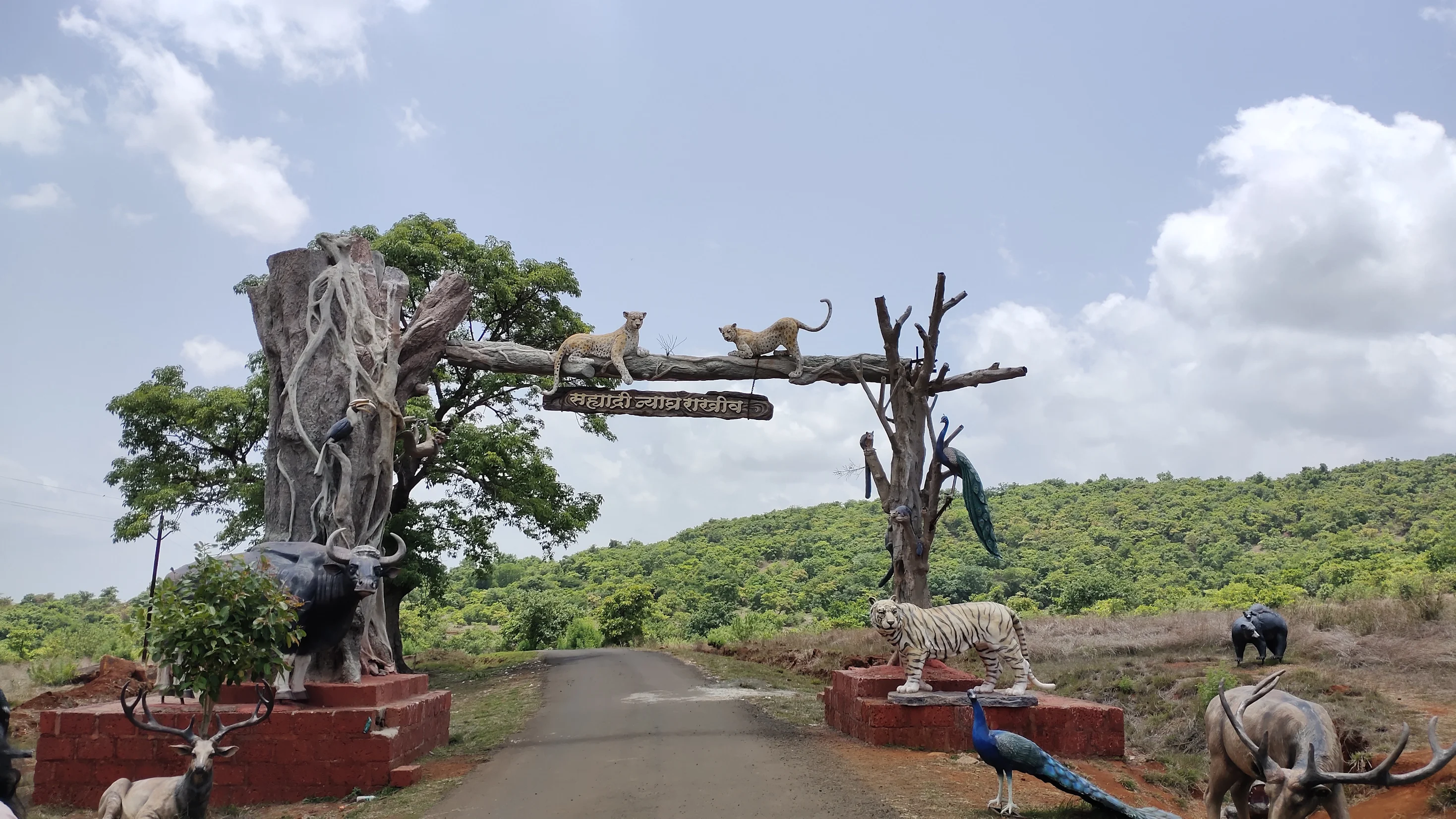
Discover Chandoli National Park. It is Maharashtra’s hidden gem in the Sahyadri Tiger Reserve. Embark on an adventure to Chandoli National Park. It is a biodiversity haven nestled in Maharashtra’s Sahyadri Tiger Reserve. Explore lush forests, spot tigers, leopards, and diverse wildlife, and immerse yourself in serene landscapes. Perfect for nature lovers and trekkers seeking an offbeat escape. Plan your visit to this eco-tourism gem today

Table of Contents
Quick Facts About Chandoli National Park
- Location: Sangli, Satara, Kolhapur, and Ratnagiri Districts, Maharashtra, India
- Established: 1985 (Wildlife Sanctuary), 2004 (National Park), 2007 (Sahyadri Tiger Reserve)
- Area: 317.67 sq km
- Biome: Moist deciduous forests, evergreen forests, grasslands, freshwater bodies
- Key Features: Part of Sahyadri Tiger Reserve (UNESCO World Heritage Site), Vasant Sagar Reservoir, Warna River, home to Bengal tigers, Indian bison, and 160+ bird species
- Flora: Anjani ironwood, jamun, kokum, Indian gooseberry, devil fig, bluestem grass, and medicinal plants like tamalpati
- Fauna: 23+ mammals (e.g., Bengal tiger, Indian leopard, gaur, sloth bear, Indian giant squirrel), 160+ bird species (e.g., Malabar pied hornbill, crested serpent eagle), 20+ reptiles/amphibians (e.g., Indian python, king cobra)
- Best Time to Visit: October to February
- Nearest Town: Sangli (65 km), Kolhapur (75 km)
- Entry Fee: ₹30 (per person), ₹150 (per vehicle); guide: ₹300; safari: ₹1,500–2,000
- Permits: Required for entry/safari; book at Helwak Range Forest Office or online via mytadoba.mahaforest.gov.in
- Timings: 7:00 AM–10:00 AM, 3:00 PM–6:00 PM (daily)
- Contact: Deputy Conservator of Forests, Kolhapur, Tel: +91-231-2542766; Helwak Range Forest Office, Tel: +91-2372-284200
Introduction to Chandoli National Park
Chandoli National Park, spanning 317.67 square kilometers across Sangli, Satara, Kolhapur, and Ratnagiri districts in Maharashtra, is a pristine sanctuary in the Sahyadri Range of the Western Ghats, a UNESCO World Heritage Site. Initially declared a wildlife sanctuary in 1985, it became a national park in 2004 and was integrated into the Sahyadri Tiger Reserve in 2007 under Project Tiger.
Nestled between Koyna and Radhanagari Wildlife Sanctuaries, it protects the Warna River basin, Vasant Sagar Reservoir, and scenic spots like Kandhardoh Falls and Zolambi Sada. Famous for its Bengal tigers, Indian bison, and over 160 bird species, Chandoli offers jeep safaris, trekking, and boating, blending adventure with historical significance from Maratha-era forts like Prachitgad.
A breathtaking tiger reserve nestled in Maharashtra’s Sahyadri Tiger Reserve, sprawling across Ratnagiri, Kolhapur, Sangli, and Satara districts. This biodiversity hotspot invites nature lovers and trekkers to explore its stunning landscapes, featuring iconic Udgir Pathar, the serene Kandwan and Okkalu Waterfalls, and the majestic Chandoli Dam. Visit between October and March for pleasant weather and vibrant wildlife, making it the perfect time to experience this hidden gem of Maharashtra.
The Unique Ecosystem of the Western Ghats
Located at 17°03’–17°20’N and 73°40’–73°53’E, Chandoli spans elevations from 589 to 1,044 meters in the Sahyadri Range, bridging the Western Ghats and Deccan Plateau.
Its semi-arid climate brings 3,500 mm of annual rainfall (June–September), with temperatures ranging from 15°C (winter) to 32°C (summer). The park features moist deciduous and evergreen forests, grasslands, and lateritic plateaus called “Saddas,” which are rocky and sparsely vegetated.

The Warna River, Vasant Sagar Reservoir, and smaller streams like Tulsi Lake sustain its lush ecosystem. As part of the Sahyadri Tiger Reserve, Chandoli connects Koyna and Radhanagari sanctuaries, forming a critical corridor for tigers and other wildlife.
A Biodiversity Hotspot
Chandoli’s diverse flora includes moist deciduous trees like anjani ironwood, jamun, kokum, Indian gooseberry, devil fig, and Indian laurel, alongside grasses like bluestem, black spear, and kangaroo grass.
Medicinal plants such as tamalpati and karvand thrive here, with insectivorous sundews and bladderworts adding uniqueness. The park hosts 23+ mammal species, including Bengal tigers (5–8 per 2014 estimates, confirmed in 2018 camera traps), Indian leopards, gaur, sloth bears, Indian giant squirrels, barking deer, sambar, and blackbuck. Over 160 bird species, including Malabar pied hornbill, crested serpent eagle, white-throated kingfisher, and rufous babbler, make it a birdwatching haven. Reptiles like Indian pythons, king cobras, and monitor lizards, plus 20+ amphibians, enrich its biodiversity, earning its UNESCO status.
The Exploration Experience
Chandoli’s rugged terrain restricts access to guided activities to protect its ecosystem:
- Jeep Safari: Guided tours (₹1,500–2,000, 2–3 hours, 6 people max) explore dusty trails, offering sightings of tigers, leopards, and gaurs. Book at Helwak Range Forest Office or mytadoba.mahaforest.gov.in.
- Trekking: Trails like Zolambi Sada (25–30 km, ₹500–1,000) or Kandhardoh Falls (3–5 km, ₹300–500) provide scenic views and wildlife encounters. Permits required.
- Boating: Tulsi Lake and Vasant Sagar Reservoir offer serene boat rides (₹500–1,000, 1 hour) for birdwatching and photography.
- Birdwatching: Guided tours (₹300–500) target species like the grey jungle fowl and white-eyed buzzard, best in spring (February–March).
- Historical Sites: Visit Prachitgad and Bhairavgad forts, Maratha-era relics from Shivaji and Sambhaji’s reigns, accessible via treks.
Safaris and treks start from Manadur, Varnavati Vasahat, or Ukhlu villages, with mandatory guides from local communities.
A Conservation Success Story
Chandoli’s conservation journey began as a wildlife sanctuary in 1985, upgraded to a national park in 2004, and declared part of the Sahyadri Tiger Reserve in 2007. The Forest Department’s efforts include invasive species removal, soil and water conservation, cattle vaccination, fire prevention, and grassland development. A 2002 census noted rises in tigers, leopards, and gaurs, with gaur numbers increasing from 88 to 243 by 2004 in Kolhapur Wildlife Division. Camera traps in 2018 confirmed tiger presence after years of scat-based estimates (5–8 tigers). Community engagement with local farmers and tribes reduces human-wildlife conflict, with eco-tourism providing livelihoods through guiding and homestays.
Best Time to Visit Chandoli National Park
October to February offers pleasant weather (15°C–25°C) and optimal wildlife sightings due to sparse vegetation. Spring (February–March) is ideal for birdwatching, with blooming trees attracting species like the Malabar pied hornbill. Summers (March–May, up to 32°C) are good for animal sightings near water bodies. Monsoons (June–September) bring heavy rainfall (3,500 mm), making trails slippery and safaris challenging, so avoid this period. Book permits early, as daily entries are limited to 50–100 visitors.
How to Reach Chandoli National Park
Chandoli is accessible via:
- By Air: Kolhapur Airport (75 km, 2 hours, taxis ₹2,000–3,000) or Pune International Airport (230 km, 5 hours, taxis ₹5,000–7,000).
- By Train: Sangli Railway Station (65 km, 1.5 hours) or Kolhapur Railway Station (75 km, 2 hours), with taxis or buses (₹300–800) to Manadur.
- By Road: From Sangli (65 km), Kolhapur (75 km), or Pune (230 km) via NH48 or Karad-Chiplun Highway. MSRTC buses (₹100–200) or taxis (₹2,000–4,000) reach Manadur or Helwak.
- Permits: Obtain at Helwak Range Forest Office (Tel: +91-2372-284200) or online via mytadoba.mahaforest.gov.in. Entry requires ID (Aadhar/passport).
Tips for Visiting Chandoli National Park
- Book Early: Reserve safaris/permits 30–60 days in advance via mytadoba.mahaforest.gov.in; limited to 50–100 visitors daily.
- Pack Essentials: Wear neutral clothing, sturdy shoes, and carry water (2L), insect repellent, sunscreen, binoculars, and rain gear (post-monsoon). No food facilities exist.
- Hire Guides: Mandatory guides (₹300, included in safari fees) ensure safety and enhance sightings.
- Follow Rules: No littering, maintain silence, and stick to designated routes. Plastic is banned.
- Accommodation: Stay at Irrigation Rest House, Mandur (₹1,500–3,000, book via Irrigation Department, Kolhapur, Tel: +91-231-2601231) or resorts like Chandoli Resort (₹3,000/night) or Sunrise Chandoli Resort (₹2,500/night).
- Health Precautions: Use leech repellent (Dettol/salt) in wet seasons and check for ticks post-trek.
Cultural and Local Attractions
- Prachitgad and Bhairavgad Forts: 17th-century Maratha forts within the park, used by Shivaji and Sambhaji, accessible via treks.
- Koyna Dam: 20 km away, a scenic spot with backwaters, part of Koyna Wildlife Sanctuary.
- Thoseghar Waterfalls: 50 km away, known for cascading waters and lush greenery.
- Panhala Fort: 70 km away, a historic Kolhapur site linked to Shivaji Maharaj.
- Mahalaxmi Temple, Kolhapur: 75 km away, a major pilgrimage site.
Sustainable Tourism in Chandoli National Park
Chandoli promotes sustainable tourism through limited entries, a no-plastic policy, and mandatory guides from local communities. The Forest Department’s Eco-Development Committees employ villagers for safaris and maintenance, reducing forest dependency. Minibuses for tourists minimize vehicle impact. Visitors are encouraged to buy local handicrafts and produce, supporting conservation and livelihoods.
Wildlife Photography and Research Opportunities
Chandoli’s lush forests, Tulsi Lake, and Vasant Sagar Reservoir are ideal for photographing tigers, leopards, and birds like the crested serpent eagle. Early morning safaris (6:00 AM–8:00 AM) offer optimal lighting for wildlife shots. Researchers can study tiger populations, gaur ecology, or bird migration, with support from the Forest Department. Photography permits are required, obtainable at Helwak Range Forest Office.
Culinary Delights of the Region
Sangli and Kolhapur’s cuisine enhances the experience:
- Kolhapuri Mutton: Spicy mutton curry with local masalas.
- Misal Pav: Spicy lentil curry with bread.
- Bharli Vangi: Stuffed eggplant curry.
- Puran Poli: Sweet flatbread with lentil filling.
- Sol Kadhi: Coconut milk and kokum drink.
Ameen Home Food in Mandur offers authentic non-veg dishes; carry snacks for safaris, as park dining is limited.
Conclusion
Chandoli National Park, a 317.67 sq km sanctuary in Maharashtra’s Western Ghats, is a biodiversity haven within the Sahyadri Tiger Reserve. With Bengal tigers, vibrant birdlife, and Maratha-era forts, it blends wildlife and history. Jeep safaris, trekking, and boating offer immersive experiences, while conservation efforts ensure its ecological integrity. Visit this UNESCO World Heritage Site from October to February for a thrilling escape into nature’s splendor.

Chandoli National Park: Essential Tips for Visitors (Pros and Cons)
- Untouched Natural Beauty: Immerse yourself in the pristine forests, mountains, and trees of the Sahyadri Tiger Reserve, a serene escape for nature lovers.
- Wildlife Sightings Not Guaranteed: This is not a zoo—spotting animals like panthers, bison, spotted deer, or sambar depends on luck. Some visitors report seeing only peacocks, wild hens, or a few deer.
- Safari Experience: Open jeep safaris (7-8 people) include a compulsory guide and a 2.5–3-hour ride with a jungle walk. Book in advance, carry Aadhar card for the visitor form, and pay INR 50 per person plus INR 200 road tax at the checkpost.
- Safari Limitations: Some visitors find the safari disappointing, with routes limited to 5 km and guides lacking in-depth knowledge. Others enjoy the unique Sahyadri jungle experience despite sparse animal sightings.
- Best Time to Visit: October to March offers pleasant weather; March to May may improve animal sightings as they seek water and greenery. Early morning safaris before sunrise or after 4 PM are ideal. Safaris end by 4 PM.
- Activities: Enjoy swimming in clean, natural water (where permitted) and early morning meditation to hear birds and nature’s sounds. Driving your own vehicle is allowed with proper permissions.
- What to Bring: Wear a cap during dry months (Sep–May) to avoid dust. Carry dry food but avoid littering to preserve the environment.
- Stay Duration: A 1-night stay is recommended for families to soak in the park’s beauty, though some find it underwhelming if expecting frequent wildlife encounters.
- Park Development: The park is under construction, which may affect the experience. Some visitors feel it’s a waste of time and money due to limited wildlife and short safari routes.
- Mixed Visitor Feedback: While some praise the serene jungle and unique Sahyadri hills, others are frustrated by the lack of wildlife (e.g., no leopards or tigers) and feel other Indian national parks offer better experiences.
FAQs
1. What is Chandoli National Park, and where is it located?
Chandoli National Park is a tiger reserve in the Sahyadri Tiger Reserve, Maharashtra, spanning Ratnagiri, Kolhapur, Sangli, and Satara districts. It’s known for its lush forests, diverse wildlife, and attractions like Udgir Pathar, Kandwan and Okkalu Waterfalls, and Chandoli Dam.
2. What is the best time to visit Chandoli National Park?
The ideal time is October to March for pleasant weather. March to May can improve wildlife sightings as animals seek water and greenery. Early morning safaris before sunrise or after 4 PM are recommended.
3. What wildlife can I expect to see in Chandoli National Park?
You may spot panthers, bison, spotted deer, sambar, peacocks, or wild hens, but sightings are not guaranteed and depend on luck, as it’s not a zoo.
4. Can I drive my own vehicle in the park
Yes, you can drive your own vehicle after obtaining necessary permissions from park authorities.
5. Why do some visitors find the park underwhelming?
Expectations of frequent animal sightings may lead to disappointment, as wildlife encounters are luck-based. Some feel other Indian national parks offer better safari experiences or more visible animals.



Leave a Reply